Sommaire
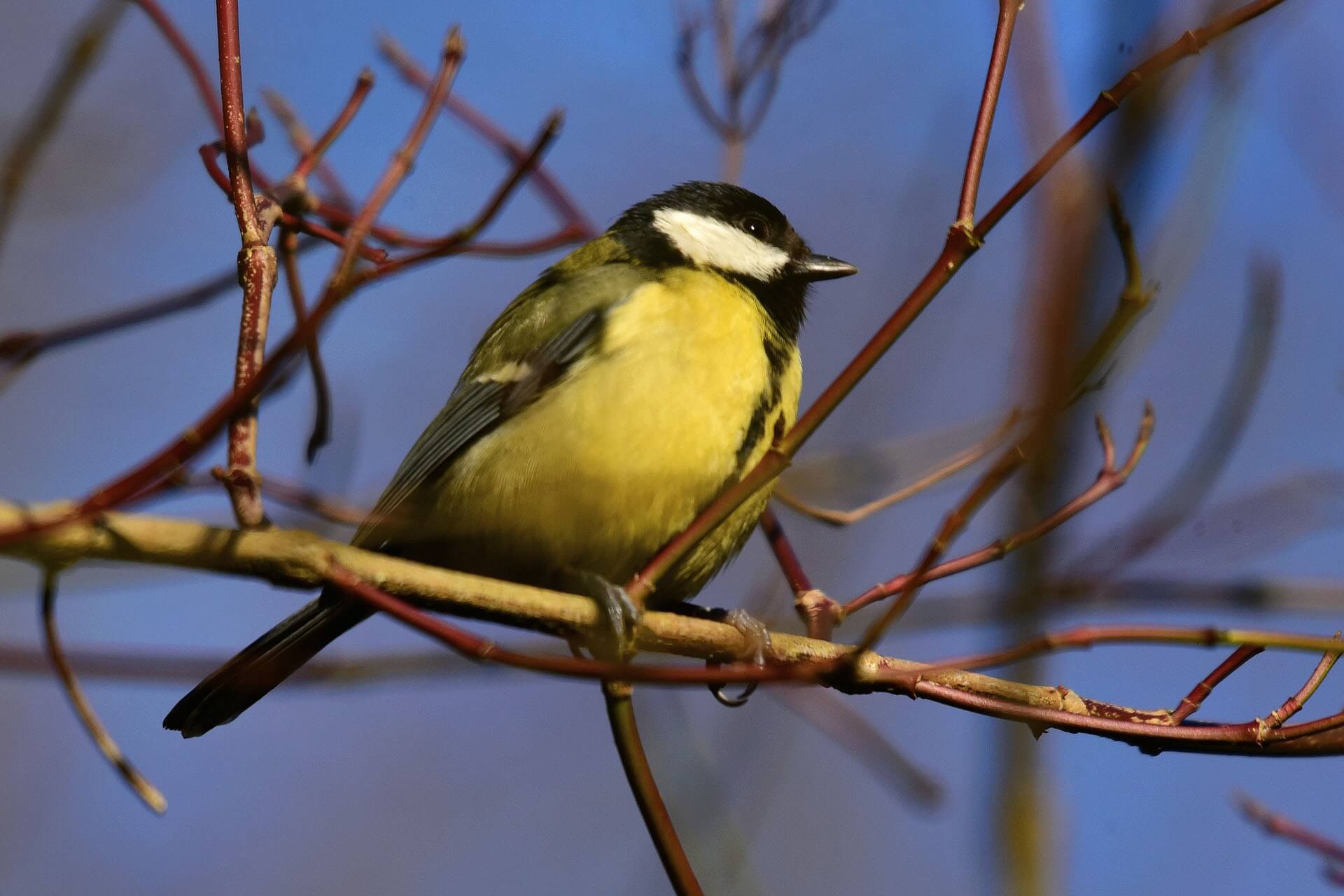
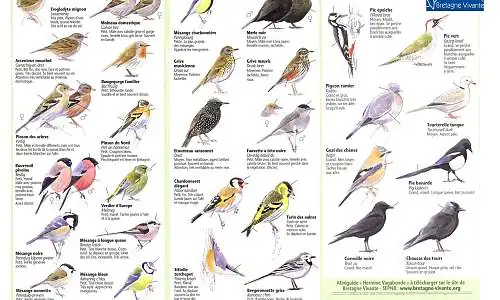
The Blue Tit

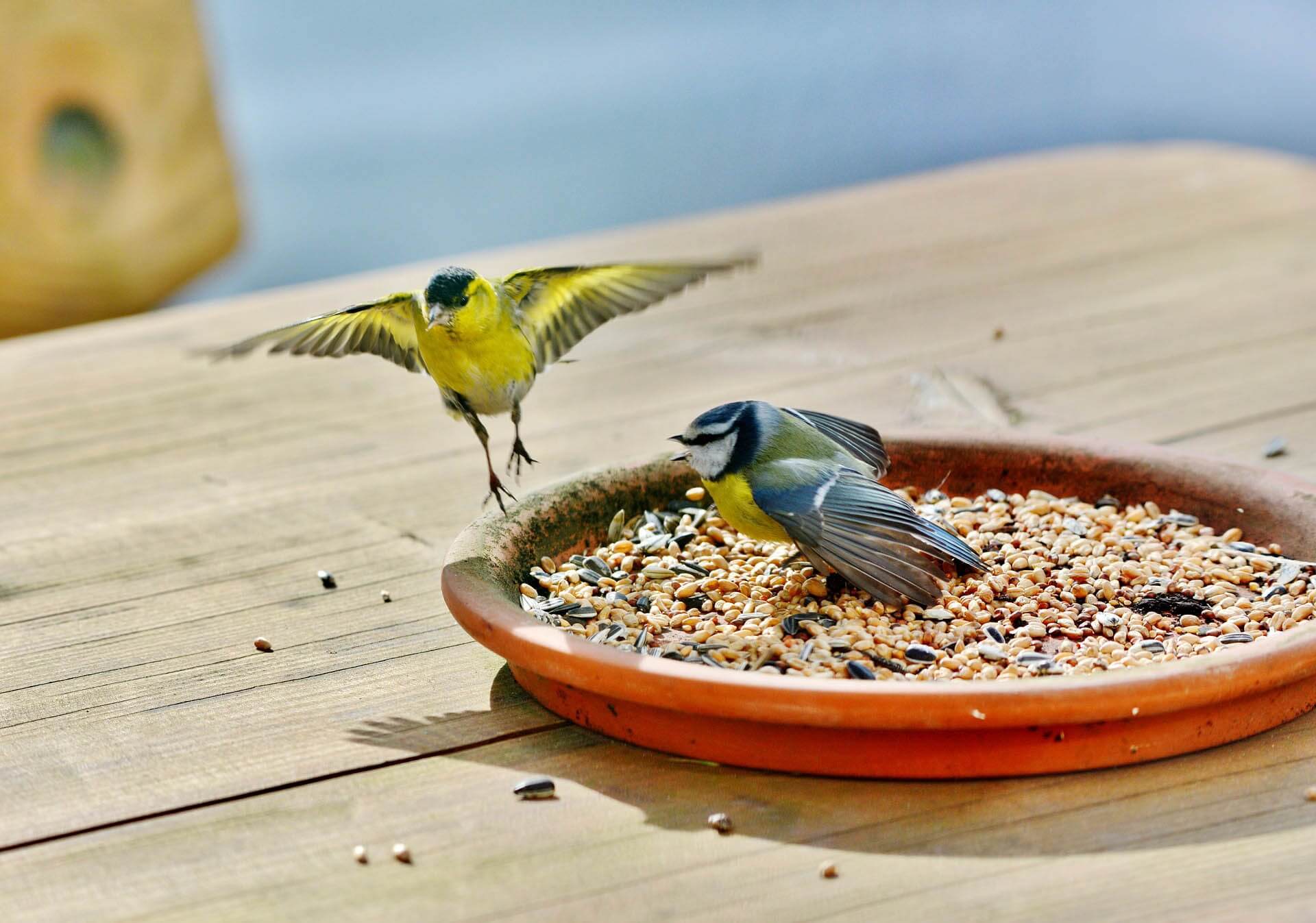
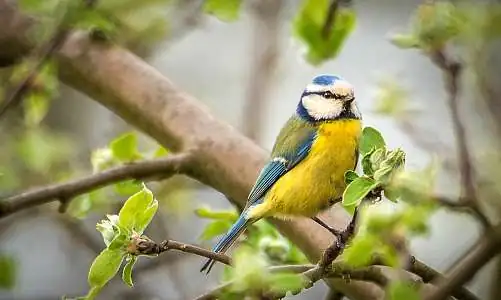
Observe without difficulty because present all year round in our gardens, here is the Blue Tit, a little tit that takes its name from the blue color of its cap, its wings and its tail. His singing is quite acute, and can show variations or accents depending on the regions of Europe up to Eastern Siberia. <=click here to listen to his song
She loves wooded gardens, hence the possibility in this period of confinement to observe her from the window, from her balcony or in her garden. It is a mostly forest species. It is typically the bird of the oak grove in Europe.
She also meets her fellow coal miner, which will be discussed in a few days. For example, it is found in groves, ripisylves, hedges of fields, parks, orchards and gardens, etc.
She easily frequents our feeders in the winter, where she consumes sunflower seeds. It nests in tree holes, branches etc... and also loves nest boxes.
La Sitelle Flashpot

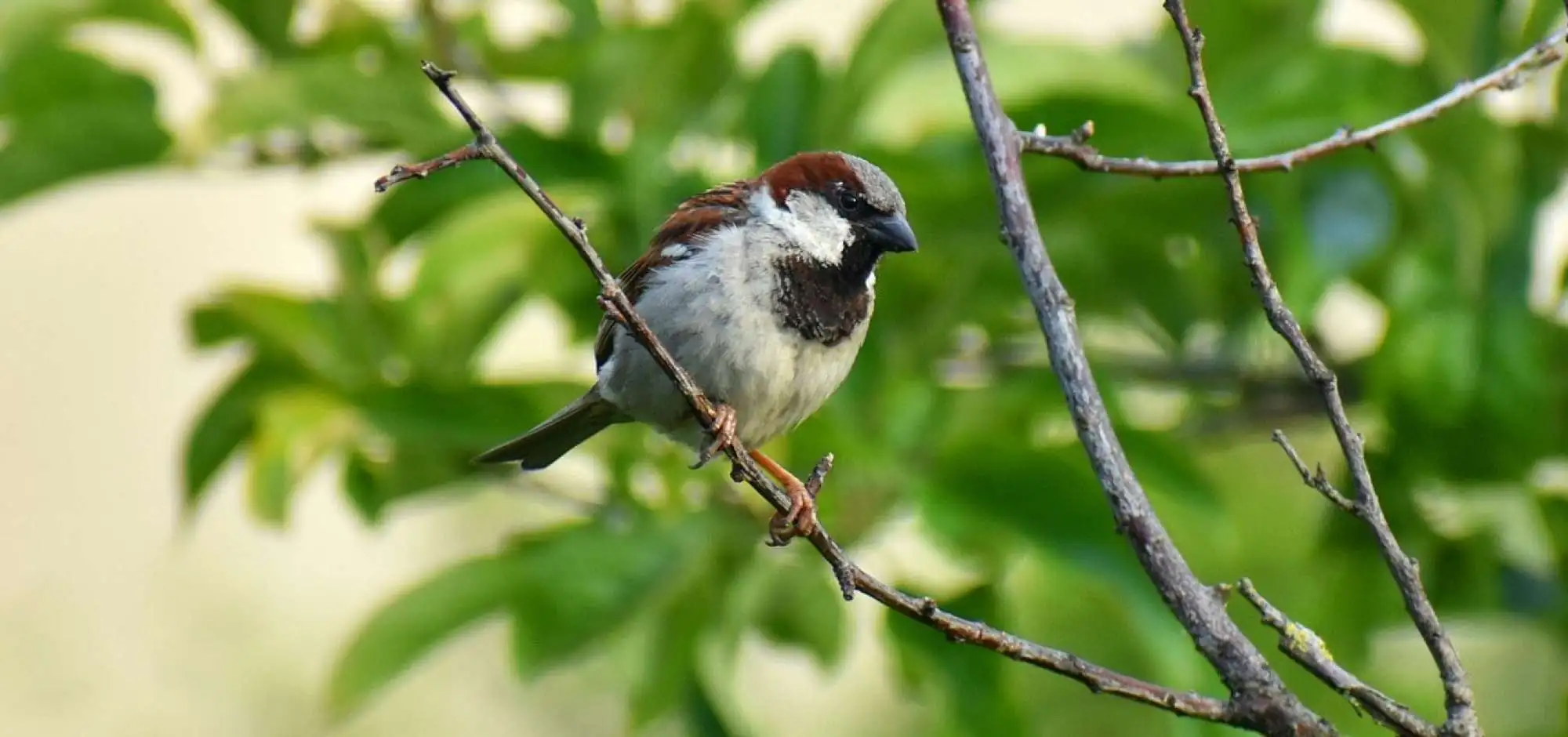
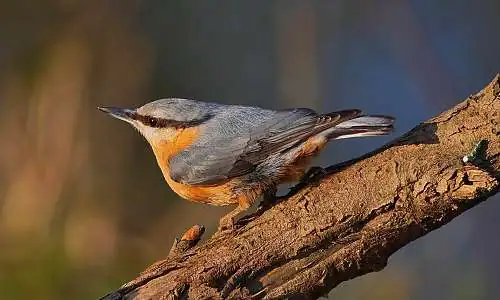
The torchepot nuthatch with such a special name, is a 14 cm bird easy to recognize with gray-blue plumage and pale orange-beige chest; and its black blindfold on the eyes that gives it a diablotine air, and a sharp beak. She spends a good part of her life climbing trunks and big branches even upside down. Her acrobat agility makes her an expert in finding insects in the bark and leaves of tall trees of all species.
The nuttela is a sedentary bird, present all year round in its forest, thanks to its diet that becomes granivory in winter. At this season, Like many of them, she loves sunflower seeds. To open a hard seed, it proceeds like tits or peaks, with large beaks on the seed stuck between the legs or in a bark slit. She's able to break the hazelnuts. She fervently frequents the feeders proposed by humans.
It nests in tree holes in the spring and flares the entrance to its nest with clay or earth to avoid the entry of potential predators, hence its name “pottorch”?.
The torchepot nuttela is very noisy. His singing has various variants, but all of them are very sound, formed by a series of slow, piercing whistles. <=click here to listen to his song
The Charcoal Tit
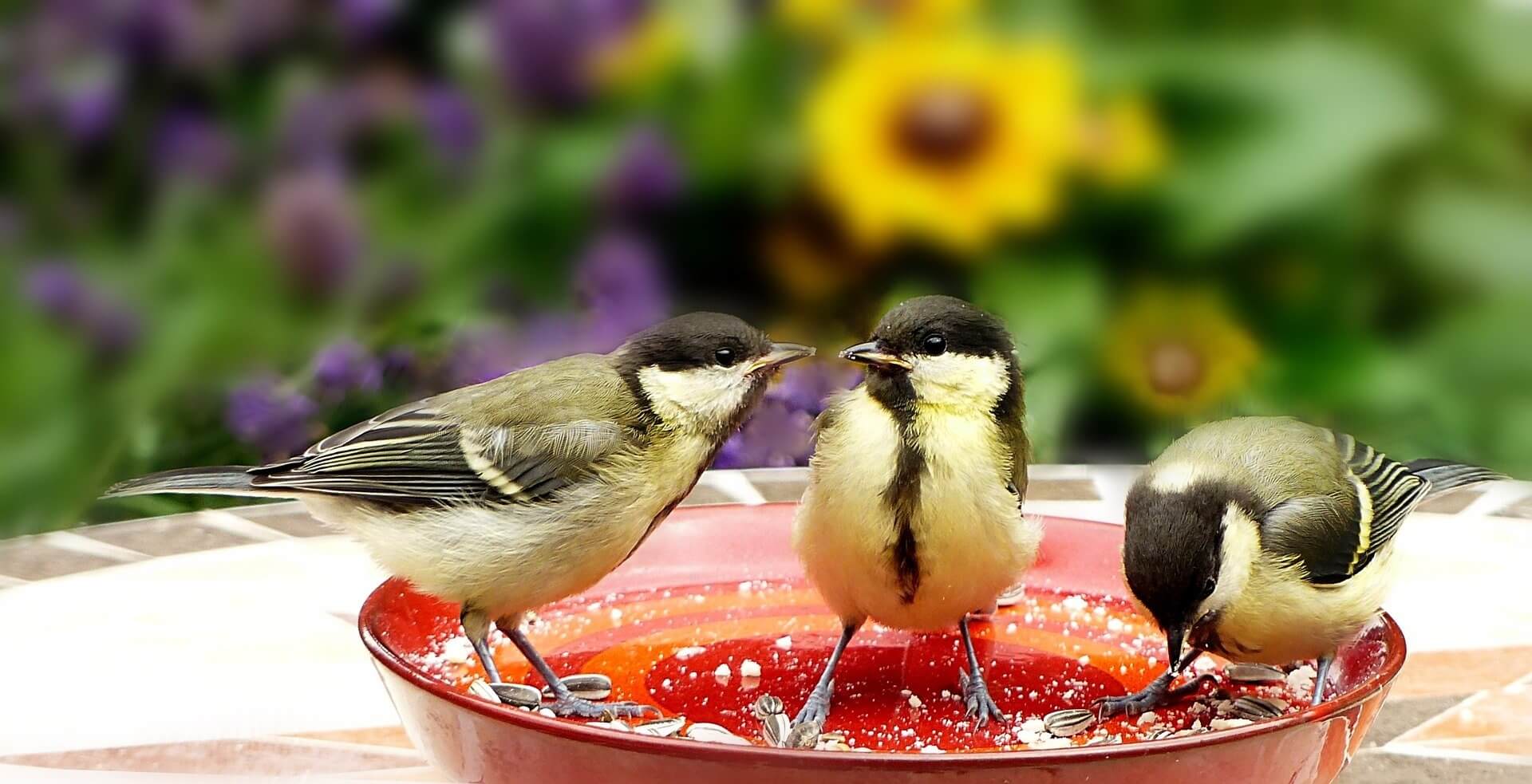
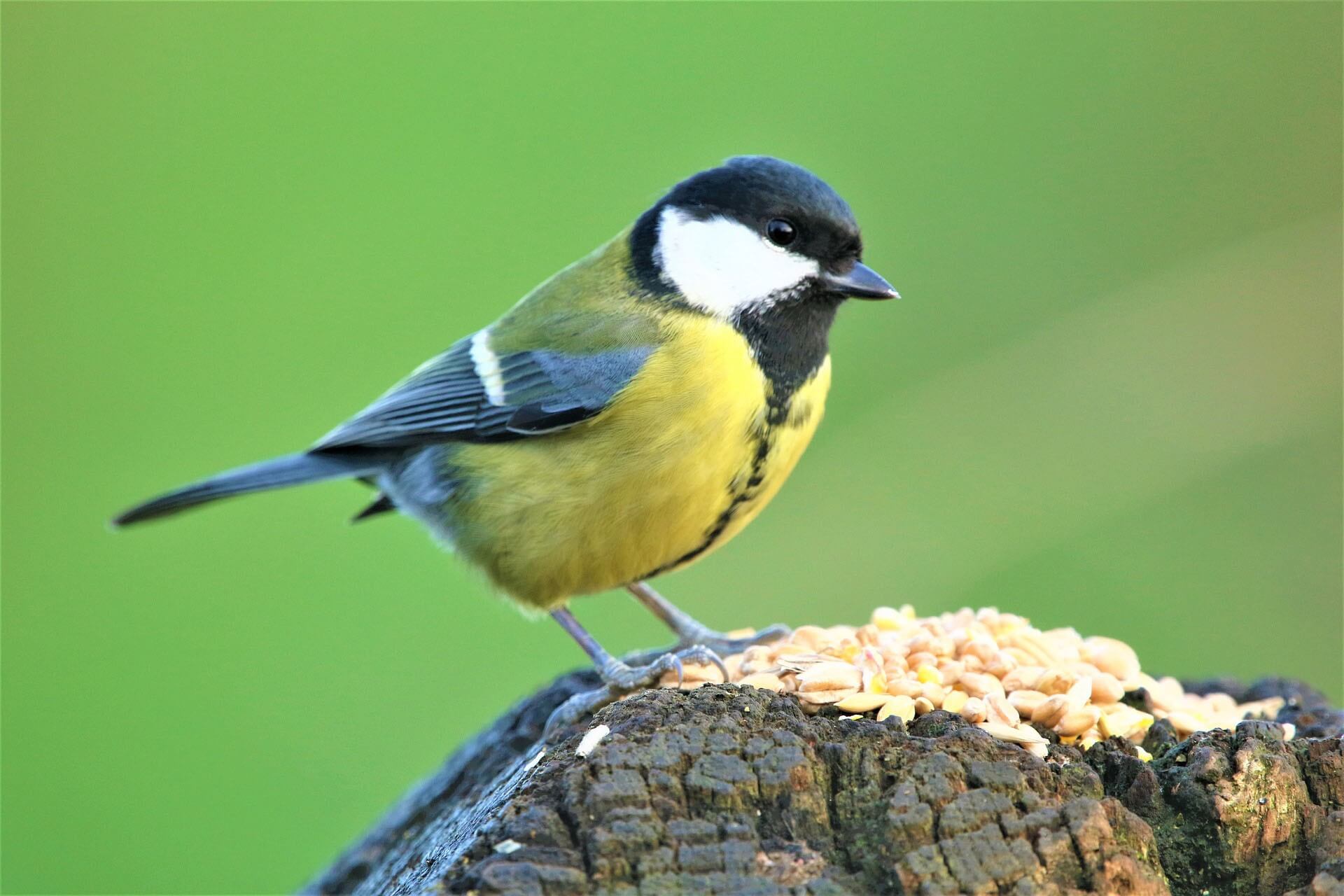
It is a large 14 cm chit, the largest, compared to the blue tit. It is notable for its shiny black head with wide white cheeks. The top of the body, mantle and back, is greenish with a lighter area on the nape. The wings are slightly bluish.
She loves all wooded areas, such as gardens, orchards, parks in the city...
The Charcoal Tit is very singing in all seasons. Listen to his very recognizable song in the spring. Tend your ear, you will most certainly hear him <=click here to listen to his song
The Rustic Swallow

Raise her head: with spring the swallows come back.
The Rustic Swallow is characterized by a graceful and slender silhouette, long, triangular and tapered wings, a slightly pronounced neck and a sharply cut tail.
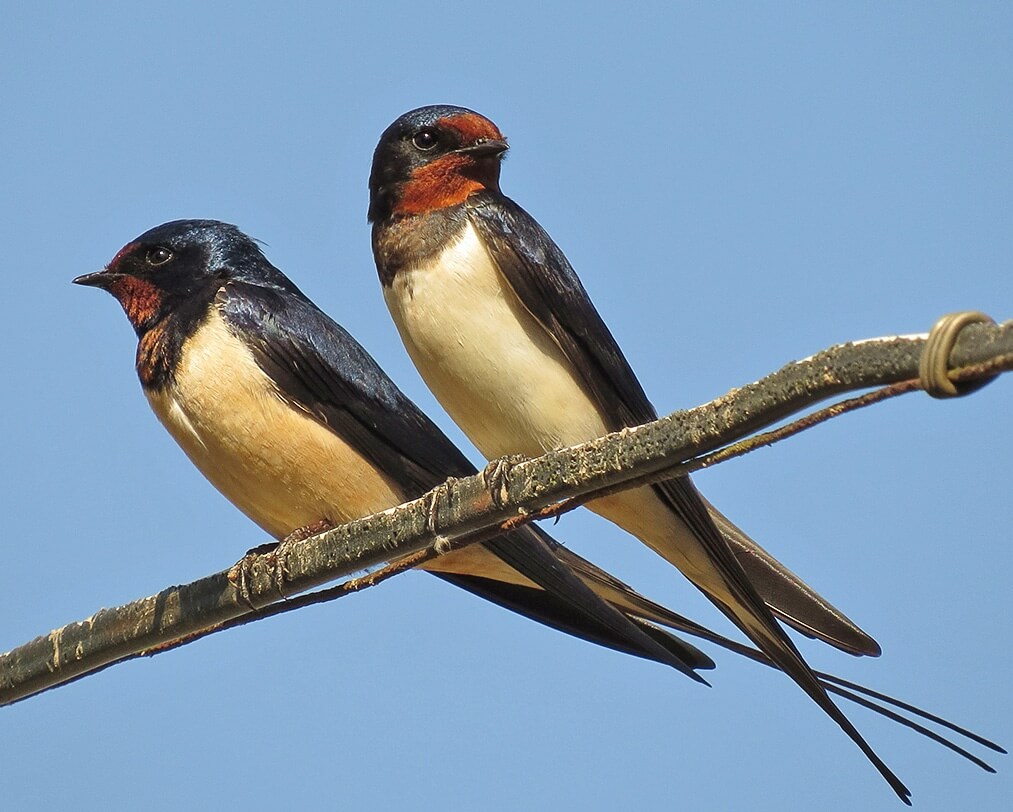
The rustic swallow nests practically everywhere in France and Europe in places suitable for the presence of insects and near rivers (pastures, meadows, bocages, swallows repair old nests or build new ones.
The Rustic Swallow choisit en priorité des étables, écuries et autres granges pour bâtir son nid, l'idéal étant que le plafond comporte des solives. Secondairement, son choix pourra se porter sur tout autre endroit abrité (garage, cave, remise, véranda, etc.), pourvu que son accès soit possible et permanent. Alors pensez à elles.
The Rustic Swallow is very talkative, she often shouts in flight and when approaching the nest to warn her young. You can hear her singing when she lands on an electric wire or pole, it's a graceful tweet interspersed with spout snaps <=click here to listen his singing
The nest is built by the couple with mud that they take from the edge of the water. They consolidate them with the help of twigs and mud, forming a cut glued to a beam.
It hunts and drinks in flight. It feeds on flying insects such as flies, flying ants or mosquitoes.
Anthropophilic species that does not fear man and nests in its proximity. The majority of rustic swallows are migratory and will spend the winter in tropical or equatorial settings. The return of birds to Western Europe takes place in mid-March and continues in April.
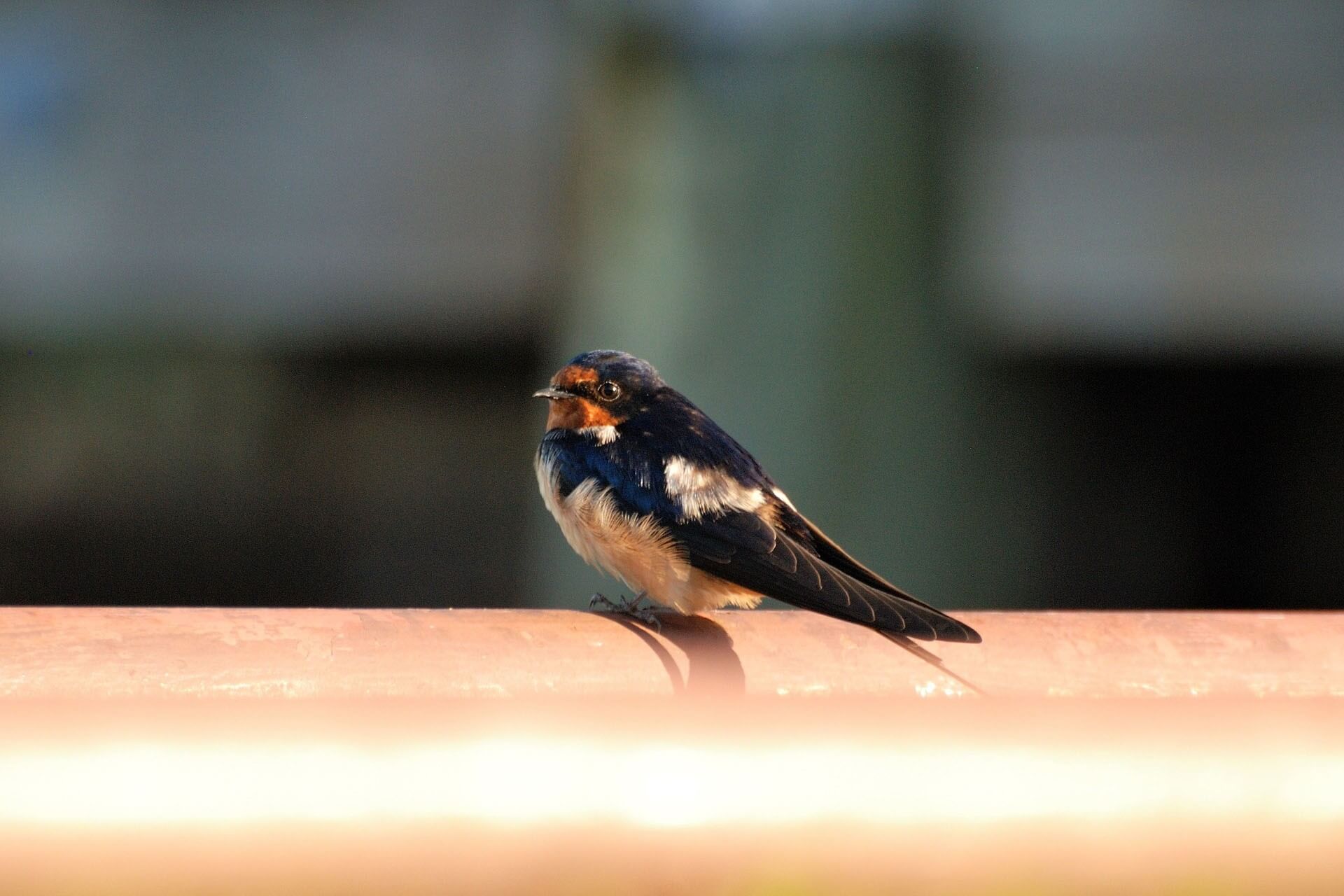
The Window Swallow
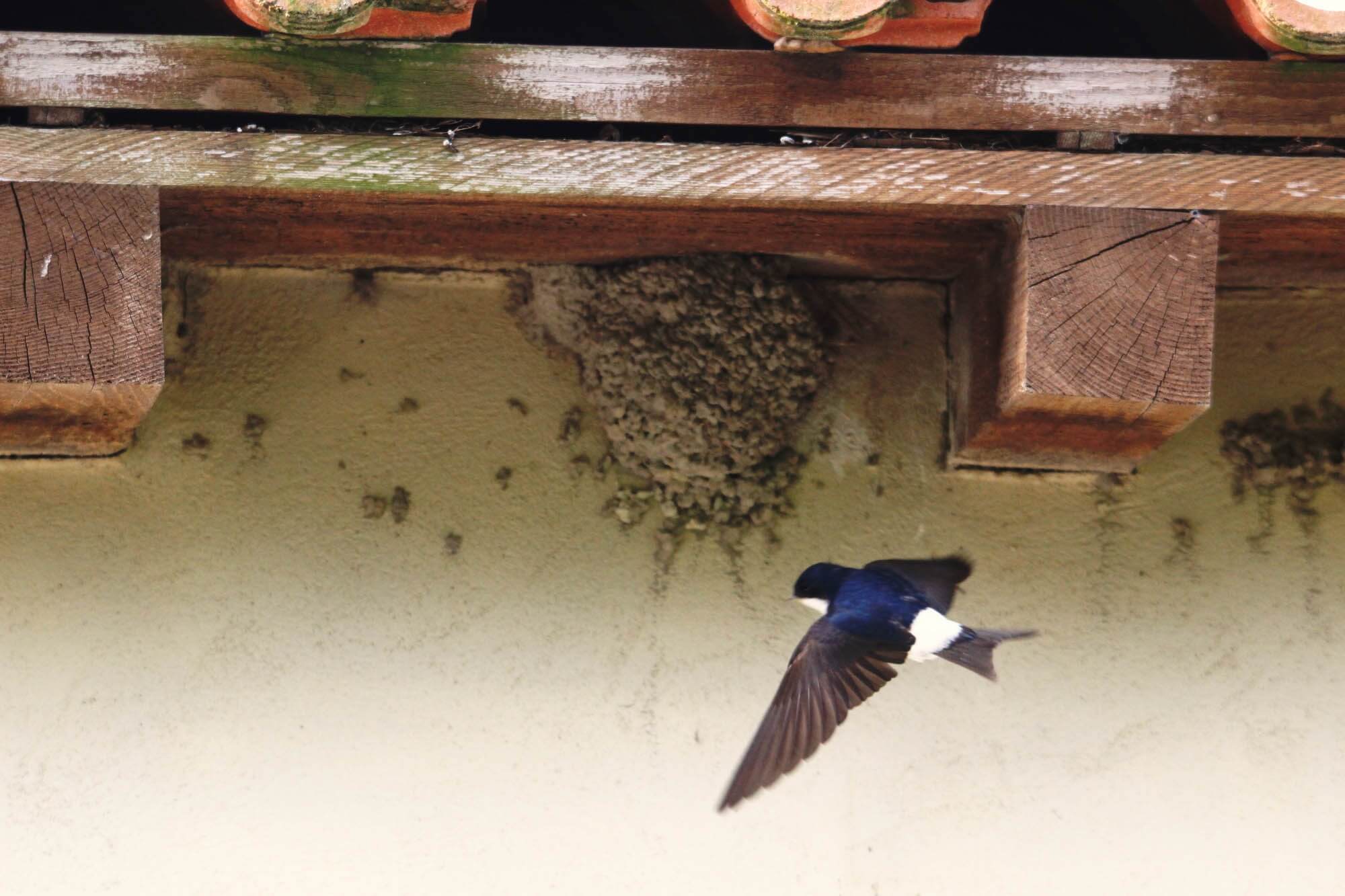
Cousine de l'hirondelle rustique, l'Window Swallow est une petite hirondelle sensiblement différente des autres. Ces deux espèces cohabitent volontiers sur une grande partie de leur aire. The Window Swallow est plus petite et bicolore.
The Window Swallow est une espèce rupestre, sociable, nichant en colonies, à l'origine sous les surplombs rocheux des falaises. Contrairement à la rustique qui niche dans des endroits confinés, elle a besoin d'un accès direct au milieu aérien. C'est la raison pour laquelle, en ville ou dans les villages, ses nids, faits de boue, sont toujours fixés à l'extérieur des bâtiments. Le plus souvent, sous les génoises et corniches, les embrasures de fenêtre, tandis que la rustique est nettement une rurale.
At the end of the summer they gather to begin a long migration to West Africa.
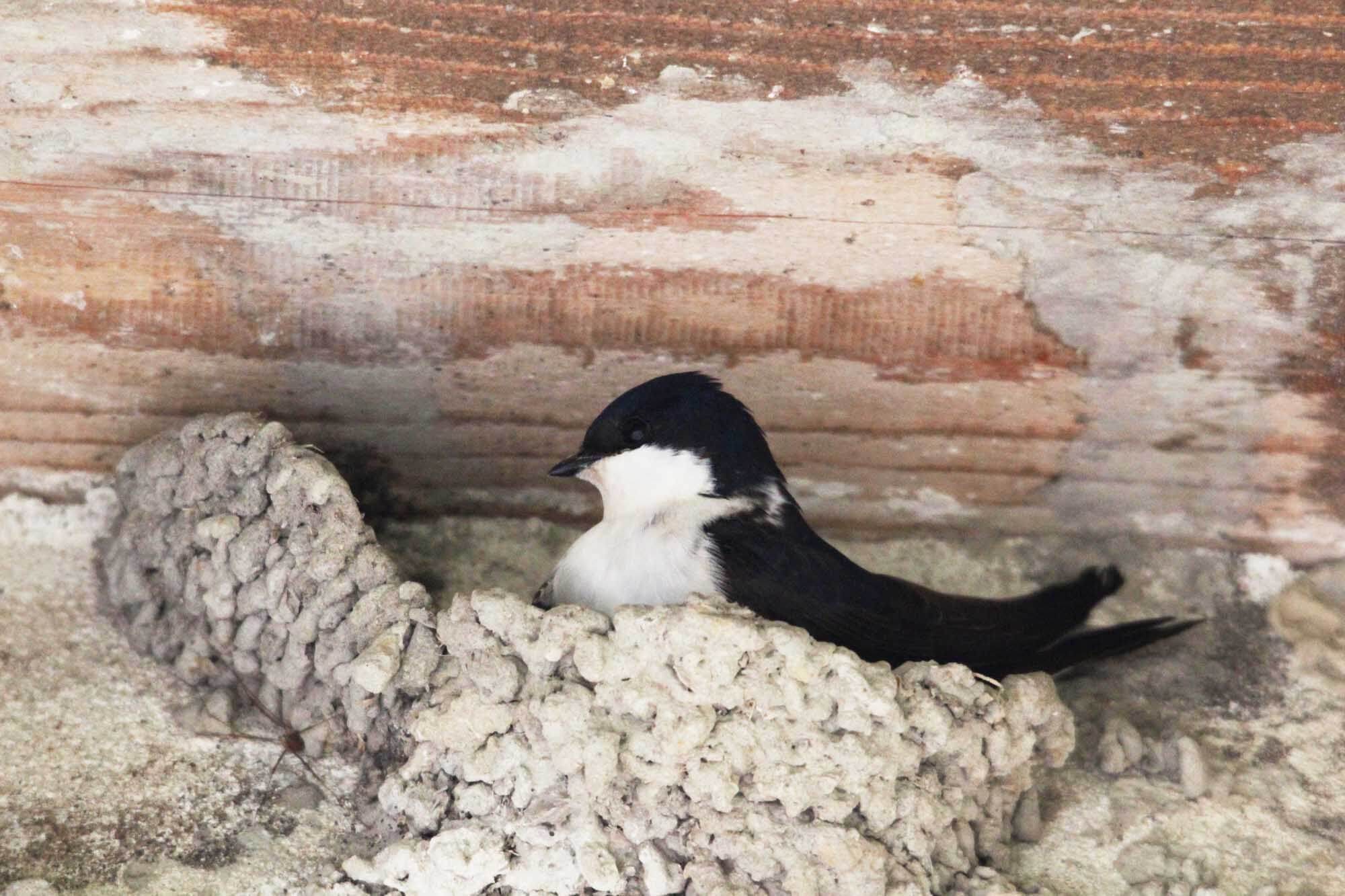
The Window Swallow est un oiseau bruyant et les colonies poussent des gazouillements incessants. Les cris de contact sont des tchirp et des tshirrip calmes et réguliers, ou des prri secs variants selon l'humeur et les occupations.
Le chant, généralement produit par le mâle et à toute période de l'année, est lent et uniforme, assez gracieux mais pas structuré. Le cri d'alarme est un tchièrr aigu.<=cliquez içi pour écouter son chant
The Kingfisher, symbolic bird of the Durance
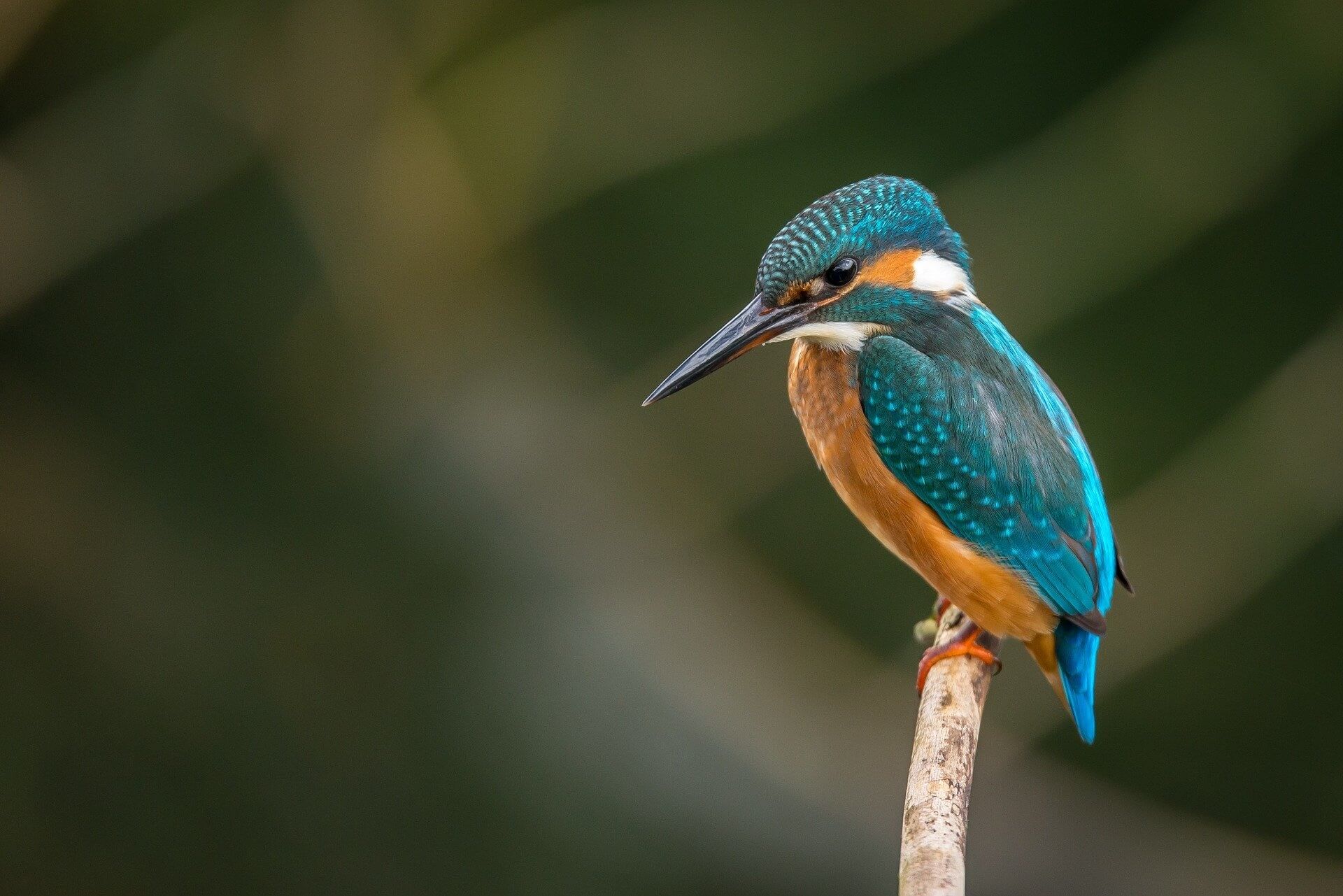
While the calm reigns on the river, a sharp and sound “tsii tsiip” announces the arrival of the master of the place <=click here to listen to his cry. Suddenly a blue lightning arrives at full speed, then lands on a dead branch well above the water. Barely laid, the Kingfisher of Europe plunges steeply and then climbs up on his perch, not without having caught a small fry which he swallows immediately. The encounter with the blue arrow is always a moment of wonder and surprise.
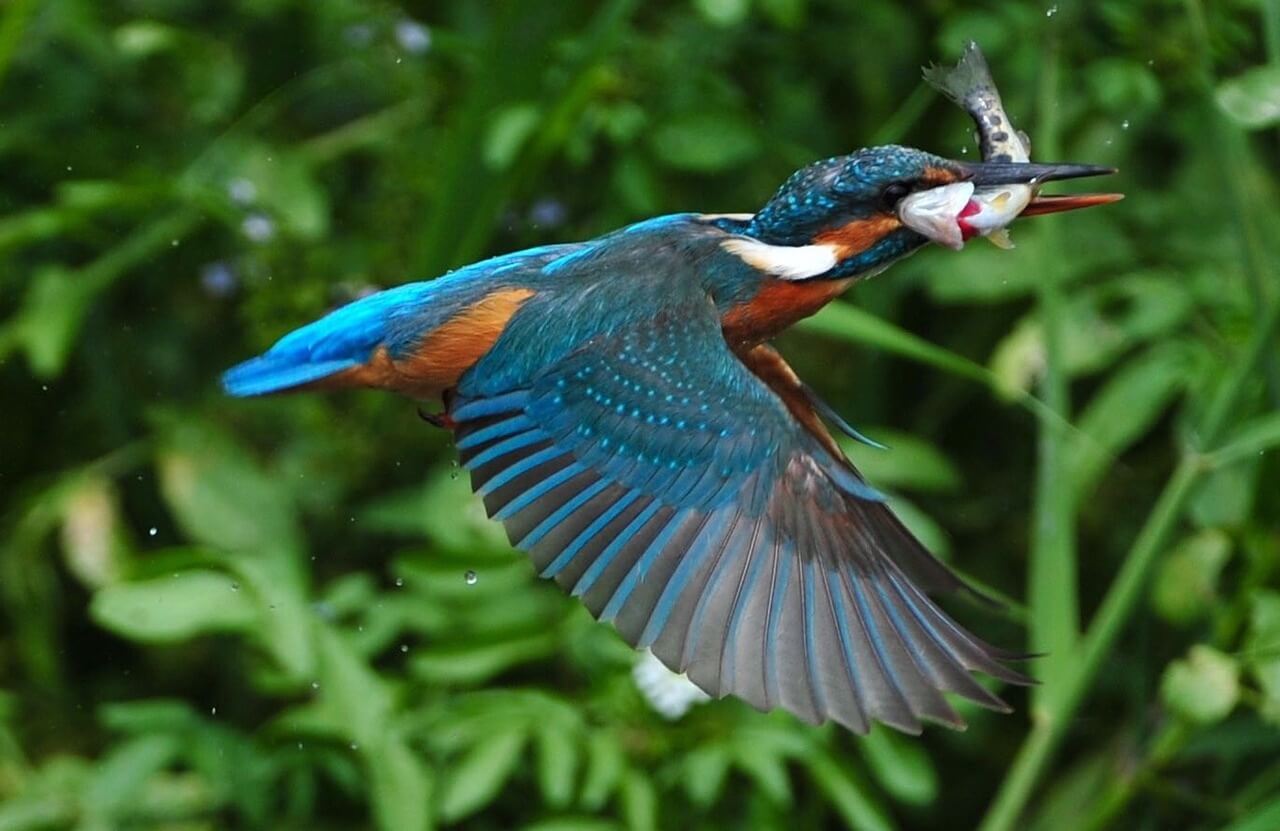
With 16 centimetres in length, long thick and pointed beak, short tail, the Kingfisher is a compact bird, trimmed for speed and can reach up to 80 km/h. Its colouring is almost exotic, with a red breast, turquoise green upper parts, a back, a rump and a bright blue tail. Its colours have a peculiarity, because depending on the incidence of light the metallic blue of its plumage can vary from azure to cobalt.
the Male has a black beak and the female has lipstick on the orange task lower mandible. Its survival is intimately linked to the presence of dormant or running water such as the Durance. The Kingfisher is mainly piscivorous, but occasionally consume young amphibians, aquatic insects or small reptiles.
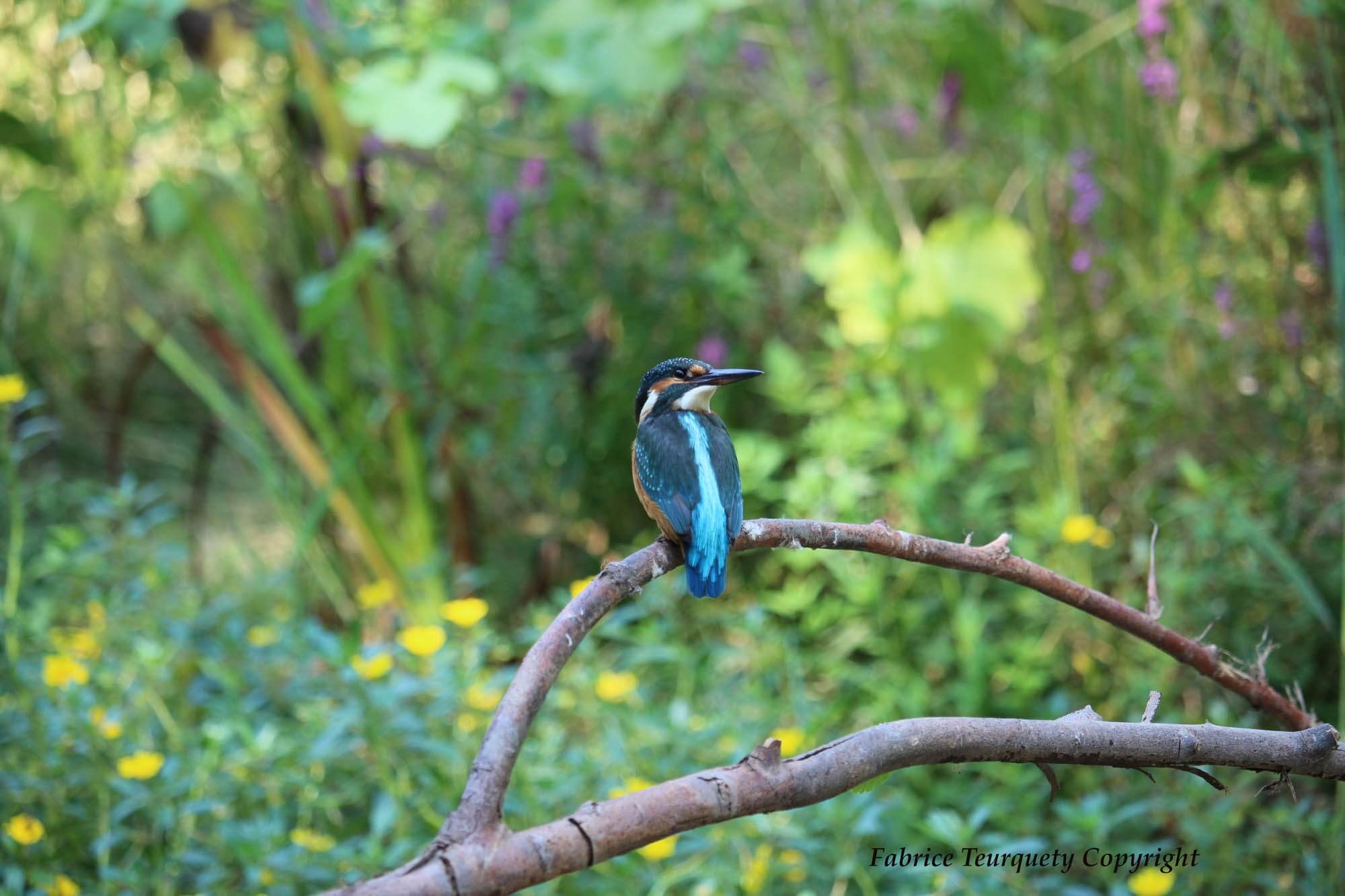
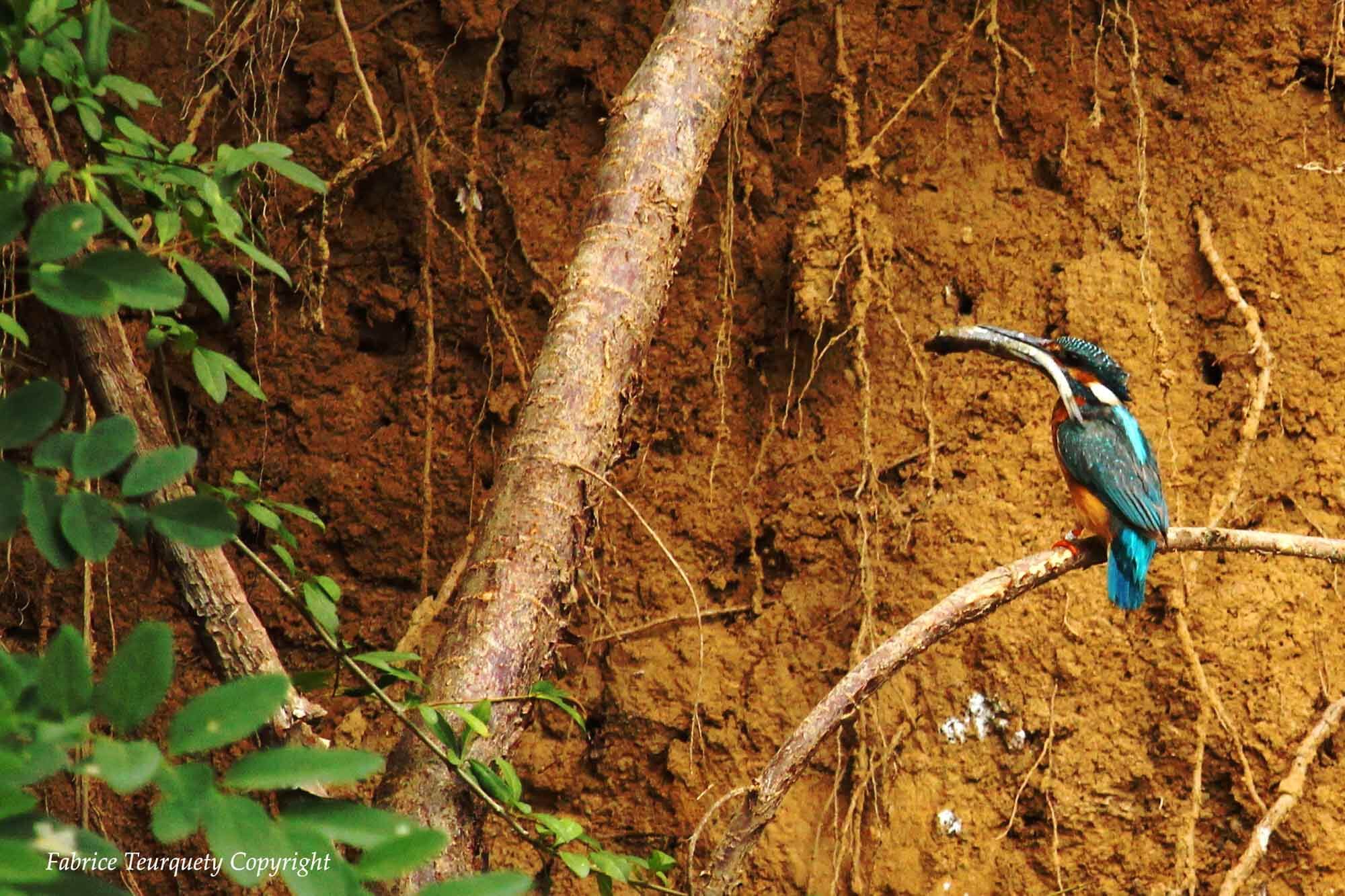
Farouche and unsociable, the Kingfisher has character and does not tolerate any other bird of his species on his portion of the river. In fact, he devotes a large part of his days to the surveillance of this territory and chases any intruders who may enter it.
At this time it is the breeding period, couples are reforming, and they will make a burrow in the soil microcliffs of the river, where they will raise their 6 chicks.
Good to know!

OPL launches new large national garden bird counting during containment!
The challenge is not complicated: From your garden, your balcony or even your window, you can observe and count the birds in your garden. Try to be as comprehensive as possible by reporting all the birds that visit your garden for 10 minutes (beware, we only count the birds planted). Then save all your data on the Observatory's website!
Photo gallery

Practical information on Birds of our gardens
Opening times and periods
Aucune information disponible
Price(s)
Informations