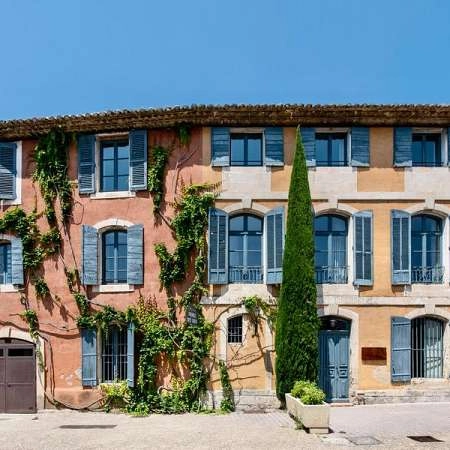
Les Beaumettes
Discover Les Beaumettes, a village in the Luberon shaped by rock and ancient routes, with troglodyte dwellings, agricultural landscapes and the former Via Domitia.
84220, Beaumettes
Discover Les Beaumettes, a village in the Luberon shaped by rock and ancient routes, with troglodyte dwellings, agricultural landscapes and the former Via Domitia.
84220, Beaumettes
Sommaire
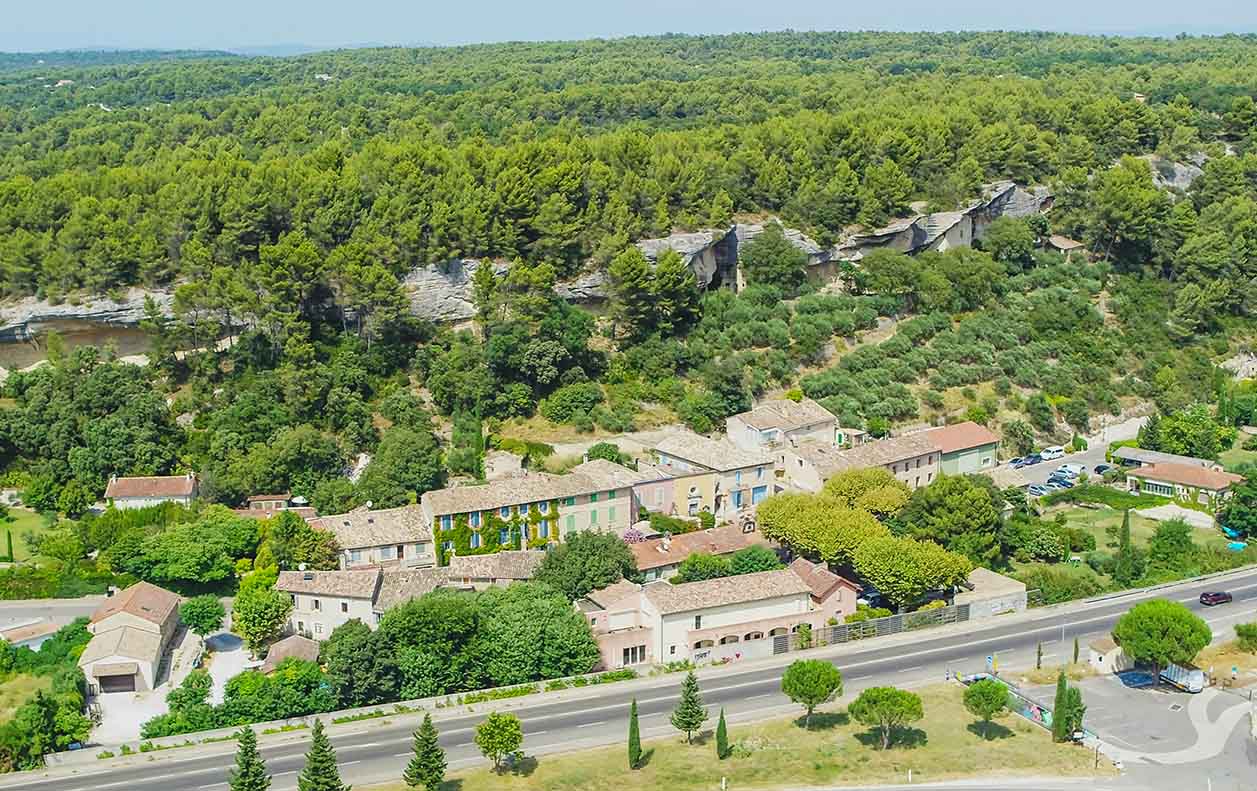
Wondering where Les Beaumettes is located? This small, discreet village in the Vaucluse lies in the heart of the Luberon, along the former Via Domitia, just 15 minutes from Cavaillon and 40 minutes from Avignon.
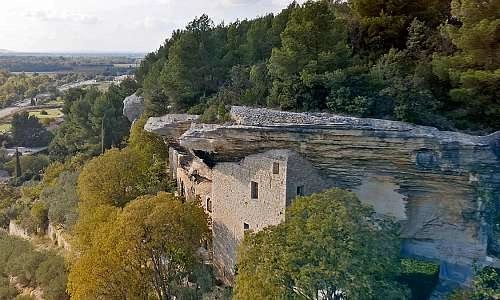
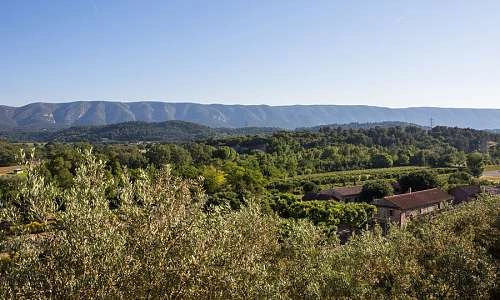
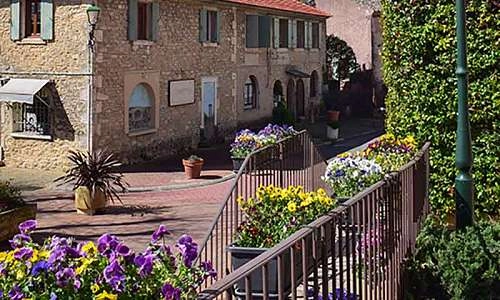
Set against a hillside and overlooked by rock shelters carved into the stone, Les Beaumettes reveals a distinctive side of the Luberon, blending troglodyte dwellings, garrigue landscapes and wide-open views over the Calavon valley.
Far from the bustle of the most popular villages, Les Beaumettes charms visitors with its authenticity, its still-inhabited troglodyte houses and its easy walks surrounded by nature.
A human-scale village, ideal for a peaceful break, an off-the-beaten-track discovery and an immersion in a simple, genuine Provençal way of life.
5 good reasons to visit Les Beaumettes
The village reveals a distinctive atmosphere, shaped by rock and the surrounding natural landscape.
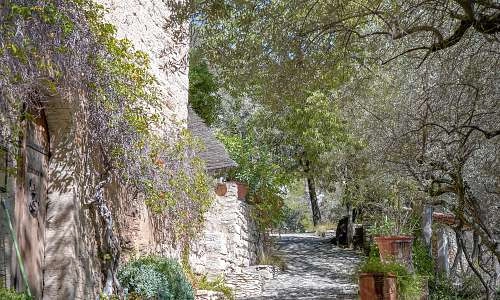
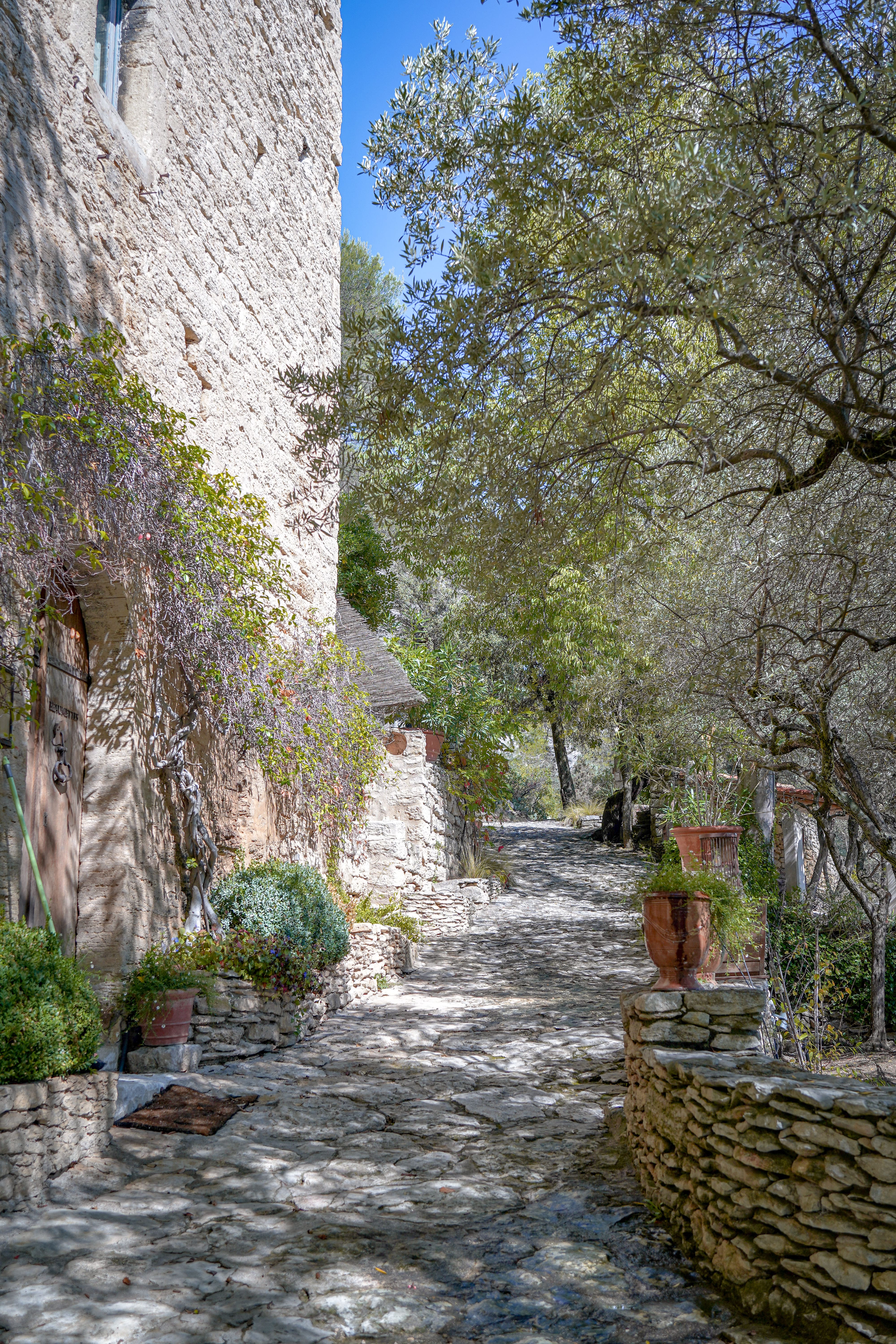
Here, there is no spectacular staging, but a deep sense of authenticity. The troglodyte houses, carved into the stone, blend naturally into the terrain and tell an ancient story, closely linked to human settlement. As you wander through the village, you discover a discreet heritage: dry-stone walls, terraced slopes and open views over the Calavon valley and the landscapes of the Luberon.
In the heart of the village, take time to pause, to observe, to listen to the silence punctuated by nature. In Les Beaumettes, the pace slows down and the experience is lived simply, far from the hustle and bustle, in a setting that invites disconnection.
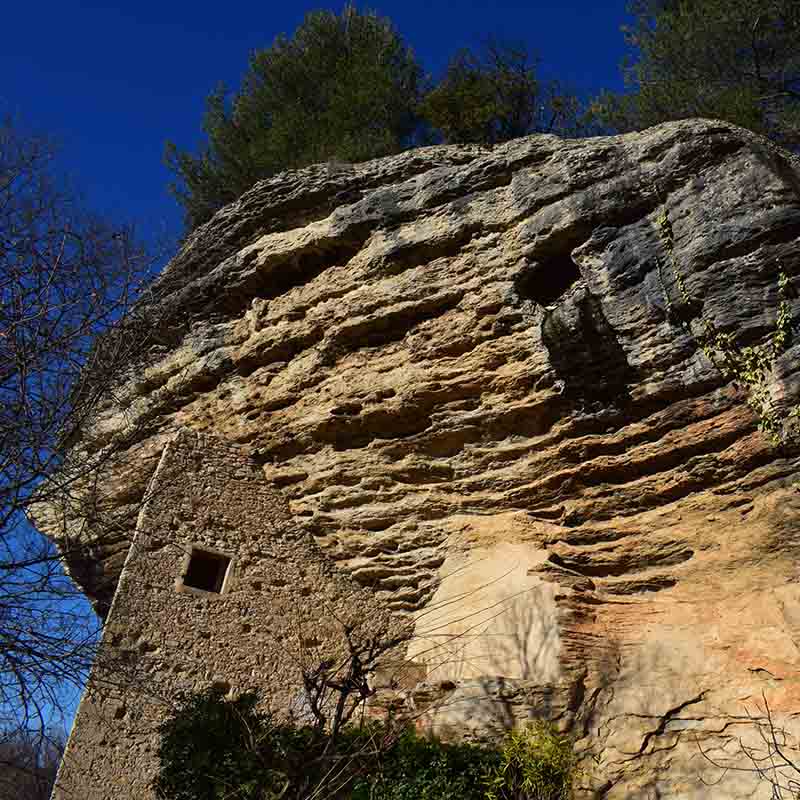
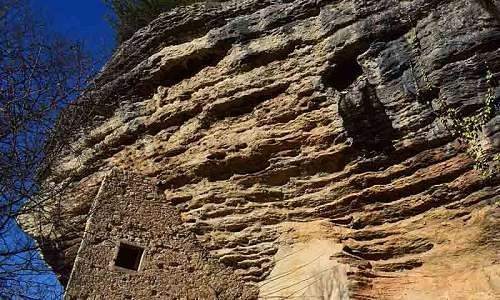
Emblematic of the identity of Les Beaumettes, the troglodyte dwellings bear witness to an ancestral way of living, shaped by the rock and adapted to the relief of the Luberon. Carved into the stone over centuries, these caves were used as shelters, refuges and later as homes, some of which are still inhabited today.
This distinctive architecture, closely connected to the form and natural “breathing” of the rock, provides remarkable natural comfort. It illustrates a way of life in harmony with the environment, making use of local resources and taking full advantage of the bioclimatic qualities of stone, both in summer and winter.
As you stroll through the village, you will spot these unusual dwellings scattered throughout the landscape, from simple shelters to more elaborate homes. A discreet yet fascinating heritage that makes Les Beaumettes a village apart in the Luberon, to be discovered with respect and curiosity.
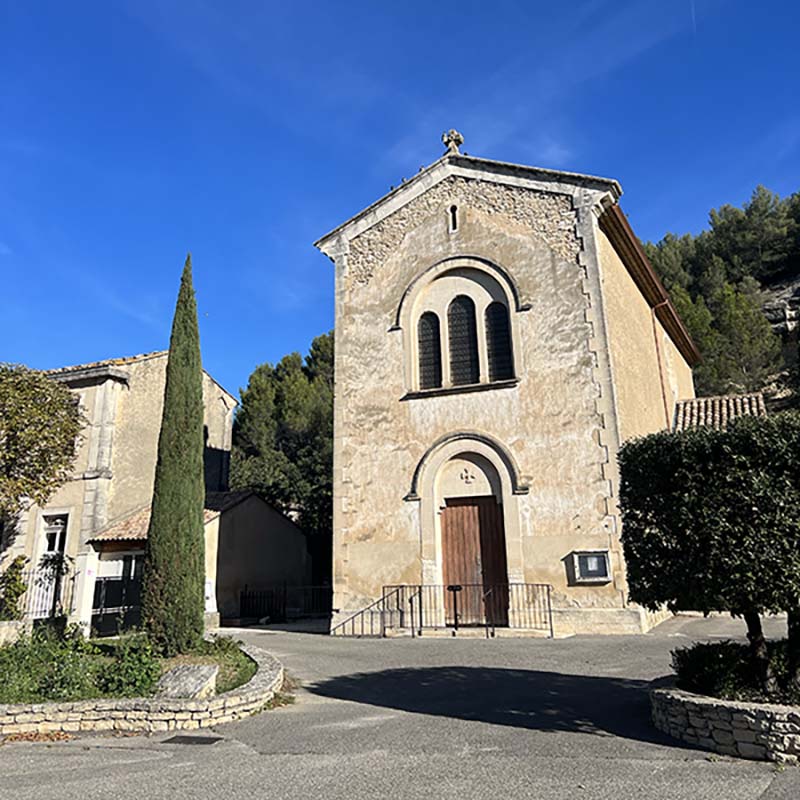
In the heart of Les Beaumettes, Sainte-Foy Chapel (1635) is one of the village’s main heritage landmarks. Offered to the inhabitants by Baron Autric de Vintimille, it has served several purposes over time while retaining its intimate character and its importance in local life.
After being used as a classroom and later as the town hall, the chapel now hosts exhibitions. It notably houses a remarkable gemmail set in the oculus, a luminous artwork made of fragments of glass that immediately catches the eye. At the entrance to the village, the Church of the Annunciation, built in the 1870s, bears witness to another phase in the development of Les Beaumettes during the 19th century.
Sober and peaceful, the church reflects Provençal tradition and harmoniously completes the discovery of the local heritage. Together, these two buildings offer a clear insight into the village’s history and make ideal stops during a visit, before continuing with a walk in the surrounding natural environment.

Between Les Beaumettes and Goult, the Ubac Dolmen is a remarkable archaeological site, bearing witness to human presence during the Late Neolithic period. Discovered in 1994 following a flood of the Calavon River, this funerary monument has been dated to between 3300 and 2900 BC.
Over time, the burial chamber gradually filled in, preserving valuable traces of several phases of occupation. The tomb is believed to have held several dozen individuals, making it a rare site on a local scale.
To preserve this heritage threatened by erosion, the dolmen was reconstructed stone by stone nearby, respecting its original orientation and its connection to the Calavon River. It is part of the geosites of the Luberon Regional Natural Park, sites to explore in order to better understand the landscapes of the Luberon.
An ideal visit if you are looking for things to see around Les Beaumettes beyond the village itself.
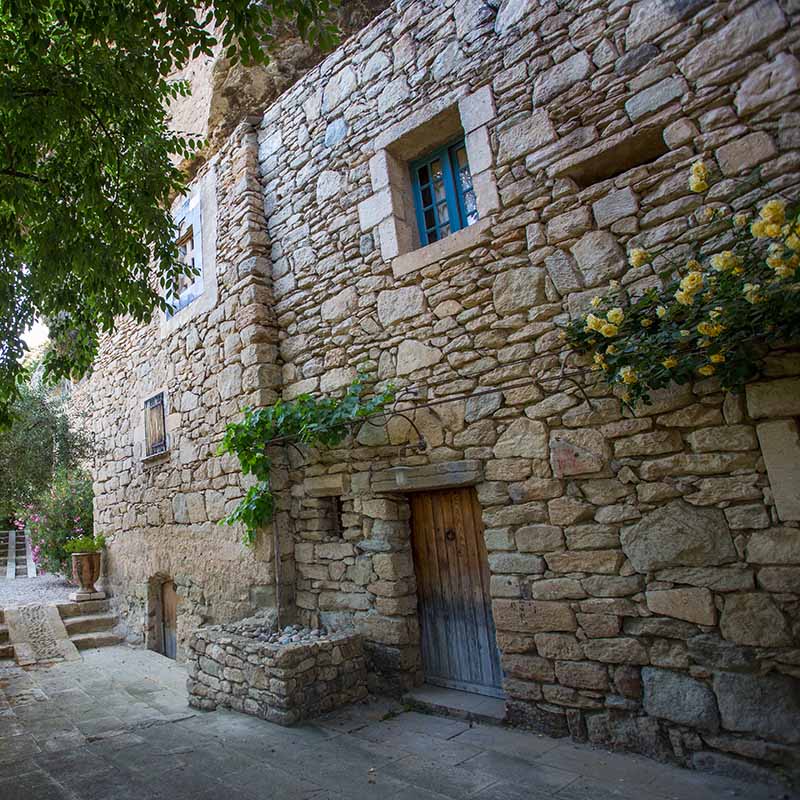
As you stroll through Les Beaumettes, you will notice numerous restanques, these dry-stone terraces that shape the slopes and structure the landscape. They developed in particular during the 18th century, when the need for arable land led inhabitants to carve successive levels into the hillside.
Beyond their aesthetic appeal, the restanques tell a story of patience and craftsmanship: stacking stone, stabilising the soil, managing water, and creating spaces suitable for cultivation. They are among the strong visual markers of the authentic Luberon.
Observing these terraces along a footpath is like reading the landscape as an open book. A detail that makes the walk more meaningful, especially if you enjoy understanding what you see, not just photographing it.
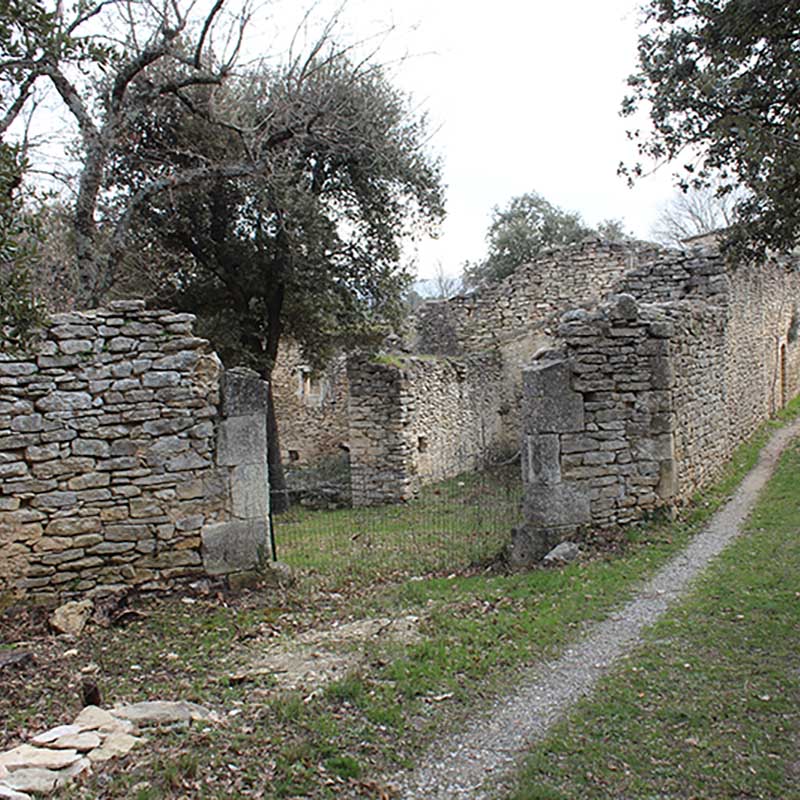
In the garrigue, Les Vieilles Beaumettes remind visitors that human presence here dates back at least to prehistoric times, as evidenced by flint tools and arrowheads found on the plateau. Later on, the area was resettled around 1500, notably by Waldensian families who revived agricultural activity.
Ruins dating from the 16th century can still be seen, traces of an ancient settlement linked to rural life and cultivated land. The place feels raw and authentic, with vestiges revealed at the pace of a gentle walk through the garrigue.
Around a doorway, you may even spot a lintel dated 1610. A small detail, but a powerful emotion for those who appreciate places steeped in history, without any need for grand display.
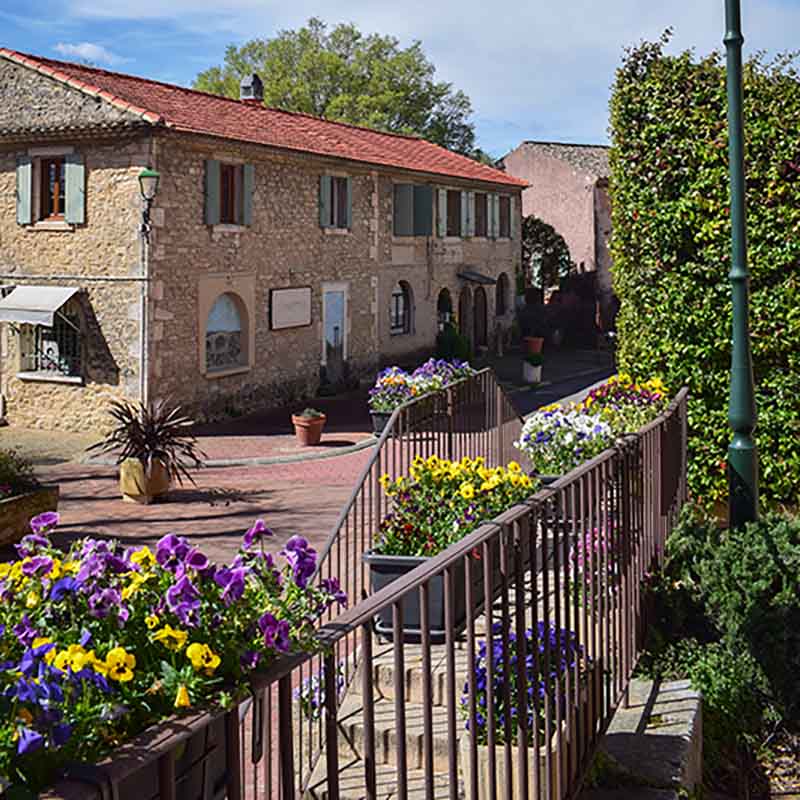
Les Beaumettes lies along the route of the ancient Via Domitia, the first major Roman road built in Gaul from 118 BC. This strategic axis linked Italy to Spain by crossing Roman Gaul and played a key role in shaping the region’s commercial, military and cultural exchanges.
Here, the Via Domitia is not discovered as a fixed monument, but rather as a guiding thread to imagine while exploring the area. By observing the landscapes of the Luberon, the Calavon valley and the surrounding reliefs, it becomes clear why this ancient road long remained an essential route of passage.
For history enthusiasts, evoking the Via Domitia during a visit to Les Beaumettes offers a deeper reading of the place. You are no longer simply walking through a village in the Luberon, but across a territory shaped by centuries of travel, encounters and circulation.
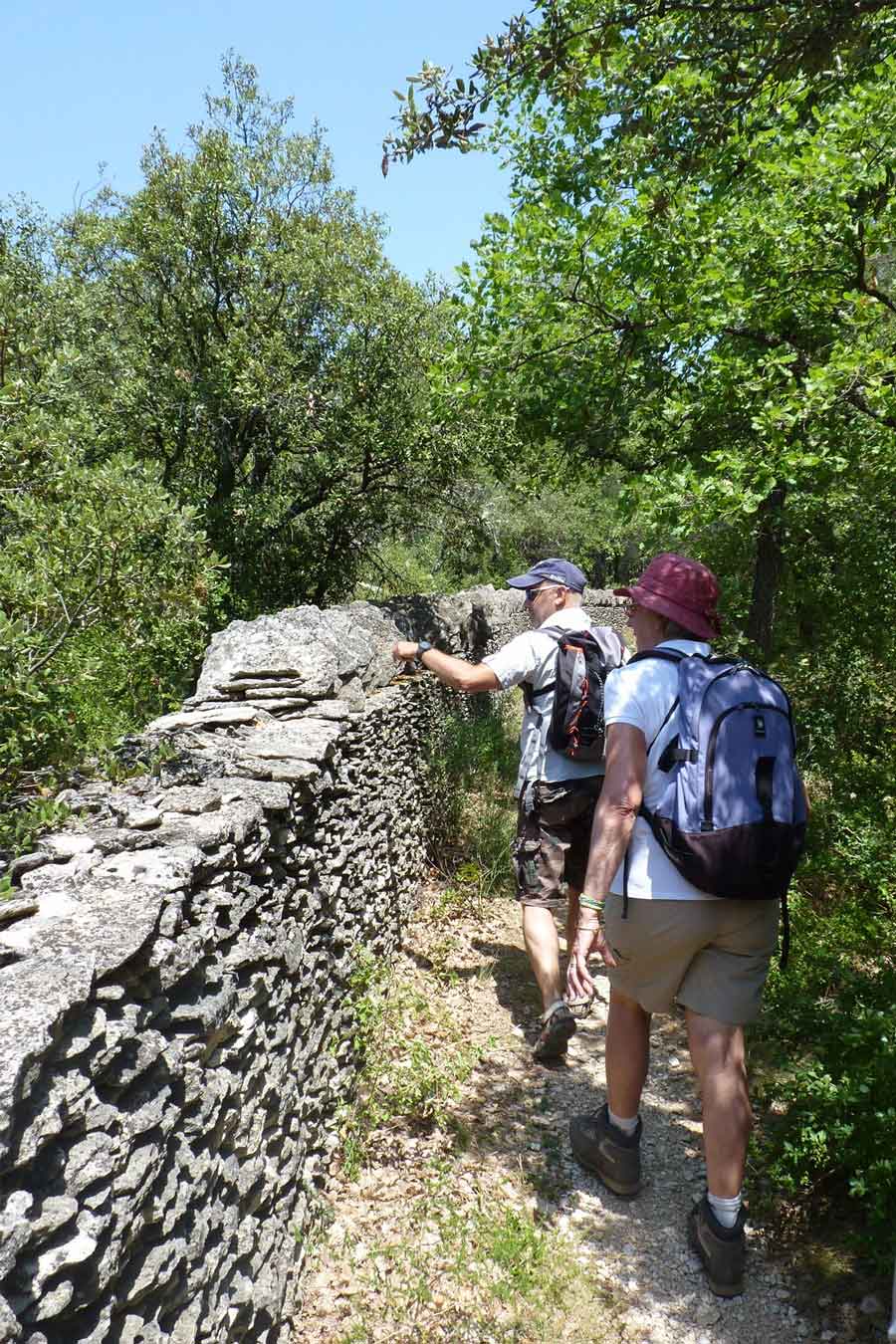
What if you took advantage of your visit to Les Beaumettes to explore the landscapes of the Luberon on foot or by bike? The village offers several accessible routes, ideal for discovering the surrounding area.
Starting from the village centre, the Les Beaumettes botanical trail (2.6 km - easy level) provides a gentle immersion into the garrigue. This waymarked loop crosses a typically Provençal environment, with Mediterranean plants, dry-stone walls and open views over the Calavon valley.
For an even gentler outing, the Chemin de la Virginière offers a very easy walk starting from the square in front of Les Beaumettes town hall. This loop follows the Calavon River, passes through shaded paths in the heart of a protected natural area and reveals discreet heritage features, including a reconstructed Neolithic dolmen. An ideal family walk, right by the water.
Les Beaumettes can also be explored by bike. Located alongside the Calavon cycle route, the village makes an ideal stop along this gentle and safe itinerary, linking villages, heritage sites and natural areas in the heart of the Luberon.
Would you like to go further? Discover all the hiking routes around Les Beaumettes and our cycling routes for an active and accessible immersion in the heart of the Luberon.
Nestled against a hillside and overlooking the Calavon valley, Les Beaumettes stand out for a history closely linked to the rock and to the passage of people over time. The village developed in harmony with its environment, shaped by natural cavities, agricultural land and the major routes that have crossed the Luberon for centuries.
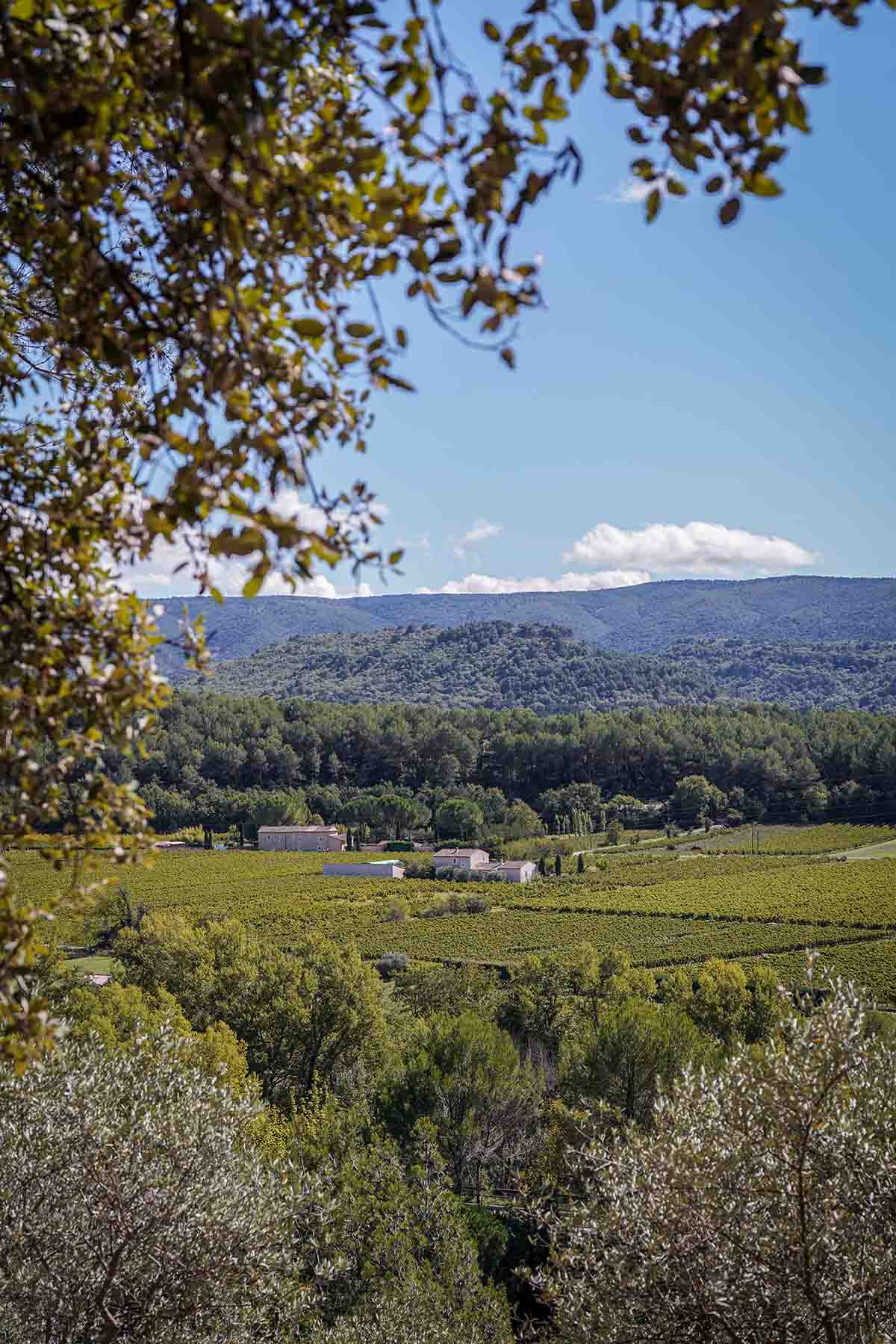
Human presence in Les Beaumettes dates back at least to Prehistory, as evidenced by the troglodytic dwellings carved into the rock and the Neolithic dolmen of Ubac, a rare vestige of a very ancient past. Located close to the Via Domitia, the area benefited very early on from a major route linking Italy to Spain during the Roman period.
Over the centuries, the village developed around agriculture, stone terraces (restanques) and rural activities. Repopulated around the 16th century, notably by Waldensian families, Les Beaumettes retained a modest and authentic character. Despite the changes of the 19th and 20th centuries, the village has preserved its identity, shaped by simplicity, local traditions and a strong connection to the Luberon landscape.
Unlike the hilltop villages founded in the 5th century for defensive purposes, Les Beaumettes developed at a lower elevation, in close connection with the rock and major routes of circulation.
The baumes, natural cavities carved into the hillside, first served as shelters and later as dwellings, while the proximity of the Via Domitia and the roads of the Luberon long shaped the village, at the crossroads of troglodytic habitat, agricultural land and exchanges.
In Les Beaumettes, village life unfolds with the seasons and through friendly gatherings organised by the local festival committee. Here, traditions remain alive and are expressed in a simple way, in a spirit of sharing and closeness between residents and visitors.
At the beginning of summer, June is an opportunity to come together for an open-air village meal. Beneath the plane trees, tables are set up and villagers, joined by friends, share a warm and convivial moment, true to the Provençal way of life.
The large flea market on 15 August is one of the highlights of the year. Highly anticipated by bargain hunters, it attracts large crowds and brings the entire village to life. As people like to say here with humour: “sell the impossible, find the exceptional”.
To keep local traditions alive, the last weekend of September is devoted to the village fête, dedicated to Saint Bruno, the patron saint of Les Beaumettes. A marquee is set up on the village square, and a variety of events punctuate these festive days: a dinner dance, bingo, pétanque tournaments and friendly evening gatherings.
As the end-of-year festivities approach, the arrival of Father Christmas remains a highly anticipated moment for children. A show is organised for them before sweets and gifts are distributed, in a warm family atmosphere. The town hall brings the year to a close with a meal for senior residents and invites villagers in January to the traditional New Year’s wishes ceremony.
❤ Favourite
Every year, on the last weekend of September, the Les Beaumettes village fête is a much-anticipated event for both residents and visitors. Dedicated to Saint Bruno, the village’s patron saint, it embodies the friendly and authentic spirit of Provençal traditions. A marquee is set up on the village square, and the village comes alive with dinner dances, pétanque tournaments, bingo, karaoke and festive evenings, all in a simple and welcoming atmosphere.

What to see in Beaumettes
DiscoverWhere to stay in Beaumettes
DiscoverWhere to eat in Beaumettes
DiscoverVillages of Luberon
Our villages in Luberon are gorgous, you will love to stroll through the cobbled streets. Take the time to visit and discover all these villages Luberon and Provence are so famous for!
Photo gallery