Provençal santons: history, tradition and santon fairs in the Luberon
Origins, nativity figures, craftsmanship and santon fairs: discover the santons of Provence, the clay figurines at the heart of Christmas in the Luberon.
Origins, nativity figures, craftsmanship and santon fairs: discover the santons of Provence, the clay figurines at the heart of Christmas in the Luberon.
Sommaire
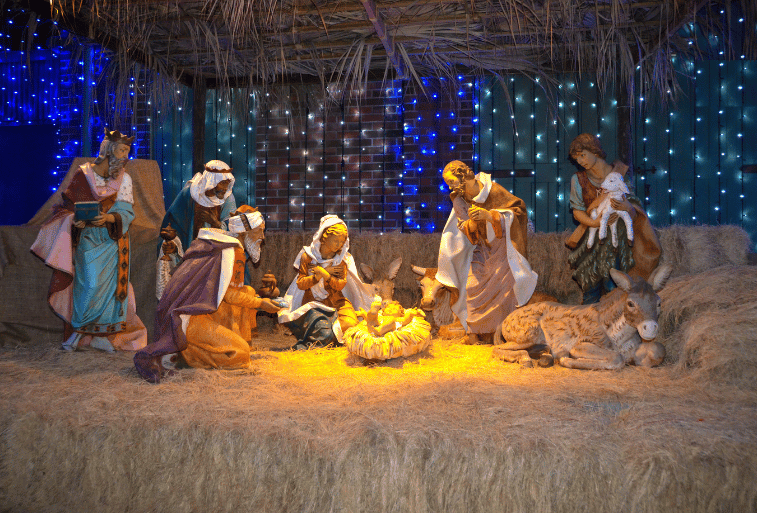
Little clay figures that, every winter, bring a whole Provençal village to life around the nativity scene.
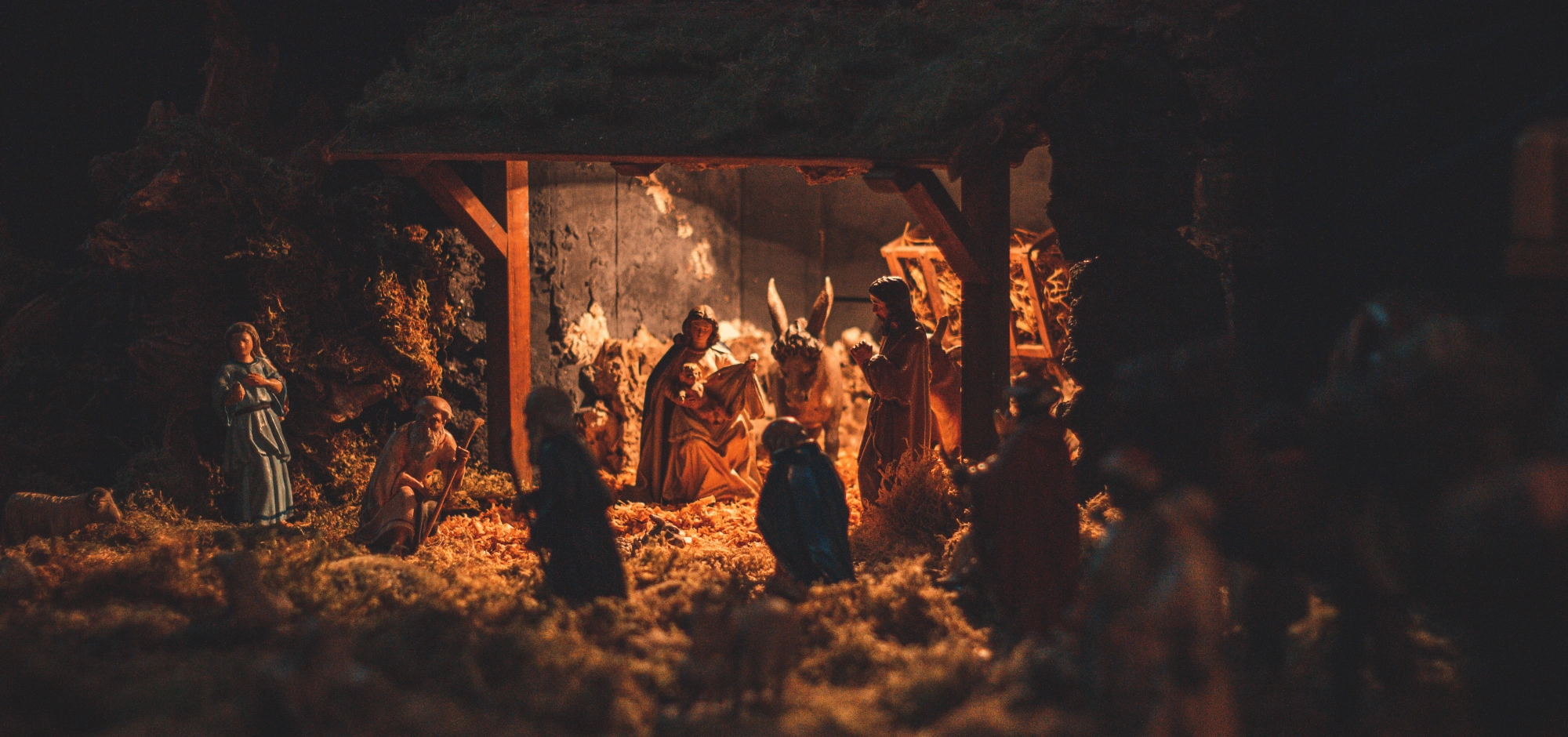
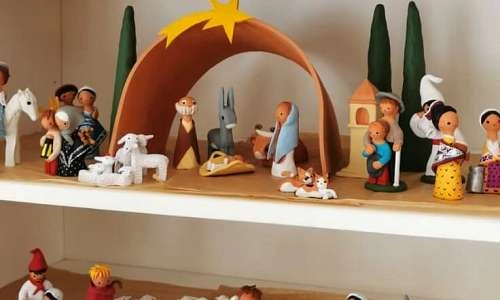
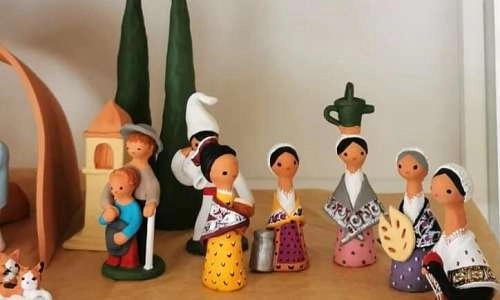
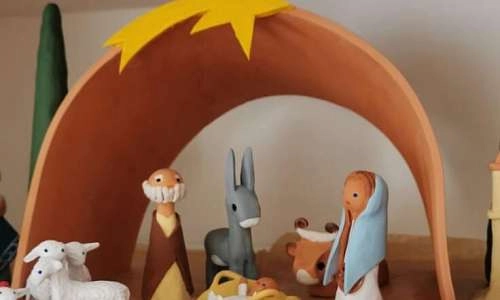
In Provençal, santoun means “little saint”. These painted terracotta figurines originally depicted scenes from the Nativity: the Holy Family, the shepherds, the Three Wise Men… Over time, they were joined by all the inhabitants of a Provençal village, in their traditional costumes and with their trades.
History, characters, craftsmanship, local santon makers and fairs not to be missed: step into the world of santons, one of the Luberon’s most vibrant Christmas traditions.
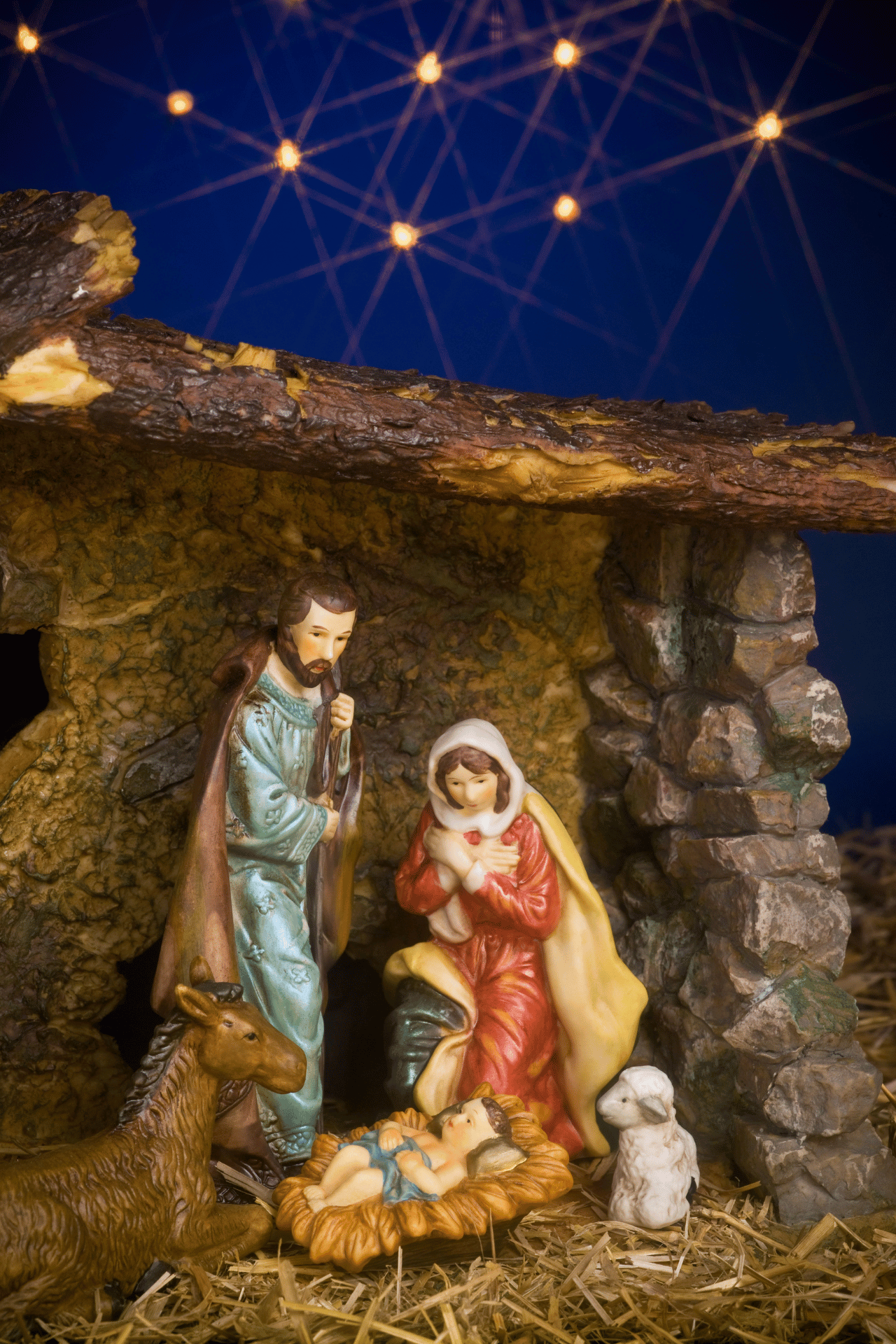
Santoun: from the Provençal sant, “saint”, and the diminutive suffix -oun.
The little saint of Provence

Around the Nativity, the Provençal crib gathers a whole little world inspired by the villages of old. Every family builds its own, and many add a new santon each year.
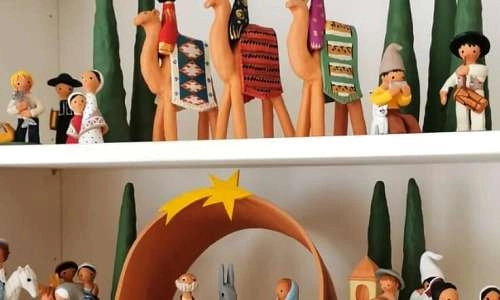
The Holy Family, the ox and the donkey, the Angel Gabriel, the shepherd and his sheep, and of course the Three Wise Men.
The ravi, arms raised in wonder, the tambourinaïre with his pipe and drum, Lou Conse the mayor, the blind man and his son, the boumian couple of travelling Bohemians, Lou Pistachié, the priest, the monk…
The washerwoman, the beekeeper, the lavender pickers, the pétanque players… The tradition keeps evolving: the wolf even joined the nativity scene in 2020.
A santon made in a series goes through six main stages, all carried out by hand in the santon maker’s workshop.
The santon maker shapes the original figure by hand, using small tools that are often made of boxwood.
A plaster mould is taken from the model. Clay is then pressed into it to reproduce the santon.
In the open air, for anything from a few days to several weeks depending on the size of the piece.
The mould seams are removed, then the santon is smoothed with a brush and water.
In the kiln, the temperature rises gradually to almost 1,000 °C.
Each santon is painted by hand, one colour at a time, which always makes it a little unique.
Good to know: 7 cm and 9 cm are the most common sizes. The tiniest ones, just 2 or 3 cm tall, are nicknamed puces (“fleas”).
Handed down from generation to generation by the great santon-making families, it depicts country life of bygone days: mills, little bridges, houses and flocks of sheep. Its style suits traditional nativity scenes, which grow a little bigger every year.
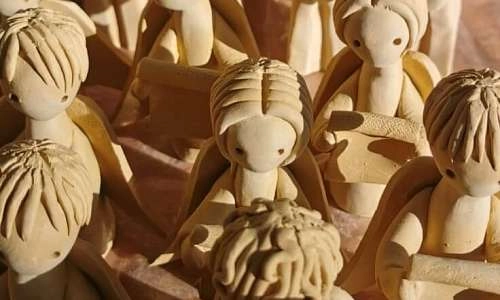
Other santon makers carry on the tradition in their own way. Their so-called “naïve” santons portray the Holy Family, 19th-century Provençal villagers or angels in a very pared-back style.

Robion · Local santon maker
At Anouk Marion’s workshop, Santons et Céramiques des Roures, every santon is one of a kind, modelled without a mould and made entirely of terracotta. Curly-haired one day, straight-haired the next, the tambourine held one way and then slightly differently the following time: patience and precision bring each figure to life.
The pace is slow and passionate: up to six oxen modelled in a day, or two Provençal couples. They then have to dry, be fired for 8 hours, and finally be painted.
These santons also decorate the home beyond Christmas: the Three Wise Men for Epiphany, Rove goats for animal lovers, little angels for children’s bedrooms…
Every year from November onwards, santon fairs pop up all over Provence. The perfect opportunity to meet the santon makers and add to your nativity scene before the festive season.
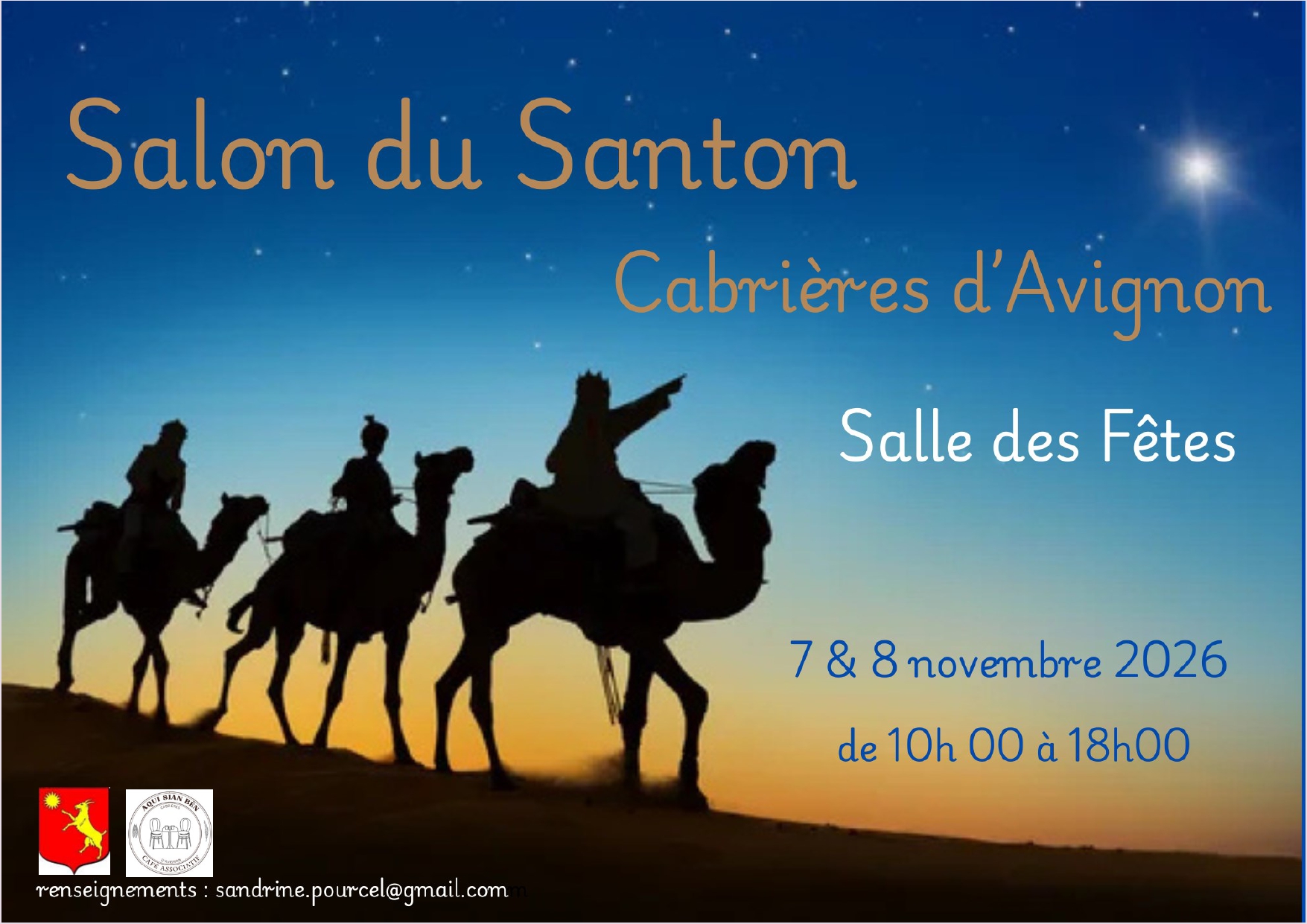
Cabrières-d'Avignon · Free entry
A weekend devoted to the world of santons and Provençal Christmas traditions. On site, a charity raffle in aid of the Pupilles des Sapeurs-Pompiers du Vaucluse, which supports the orphans of firefighters, with tickets at €1.
Discover the fairLes Taillades · 9th edition
17 santon makers and nativity-scene craftspeople from Provence exhibit santons, figures and crib accessories at the Moulin Saint-Pierre.

Sown in three small dishes on damp cotton wool. If it grows tall and green by Christmas, it promises a prosperous year ahead.
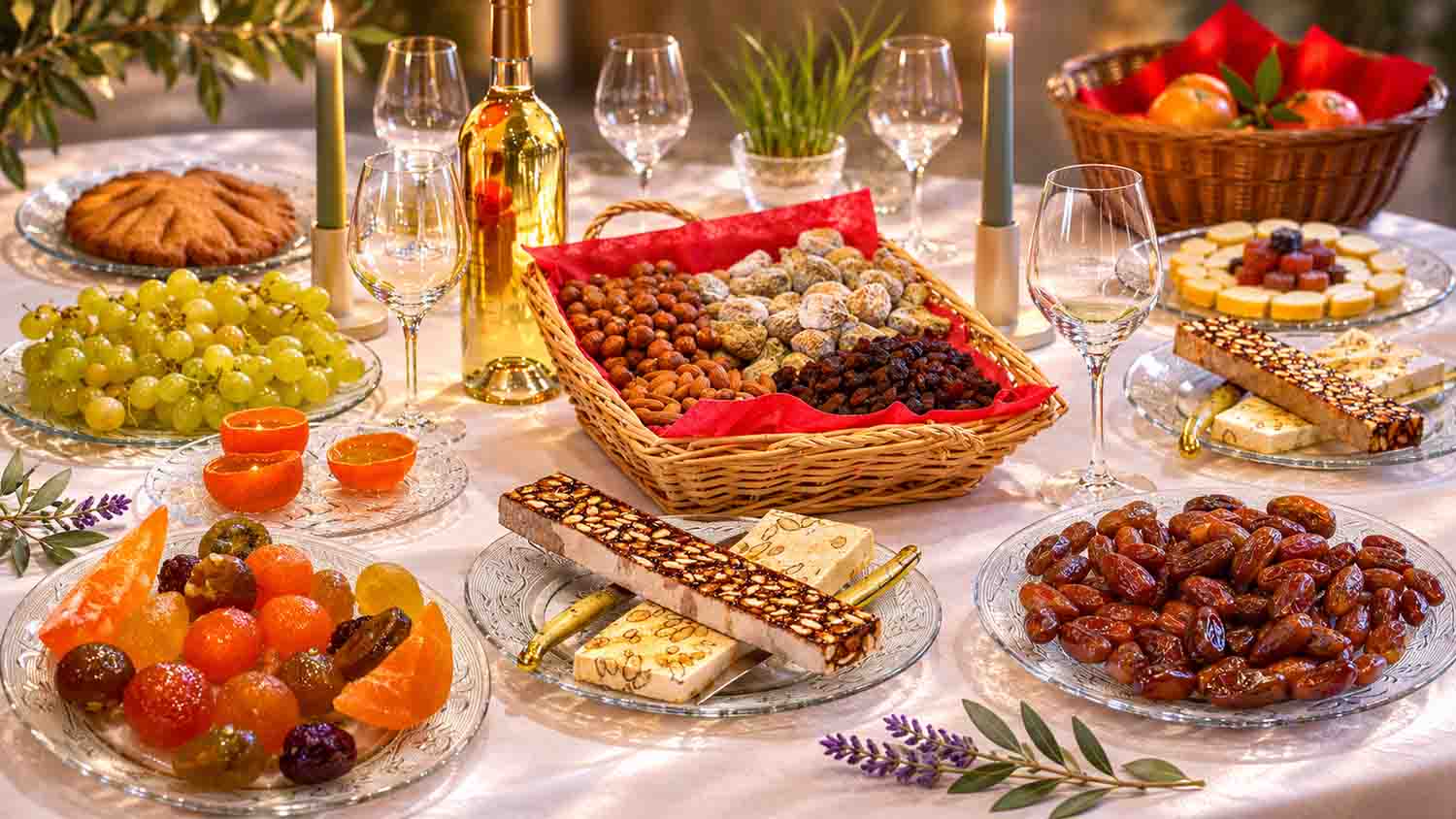
After the Gros Souper, the traditional Christmas Eve supper, the table is laid with the thirteen desserts of Provençal tradition.
Discover the 13 dessertsThese Nativity plays, sung and spoken in Provençal, are staged until Candlemas, which marks the end of the Christmas season in Provence.
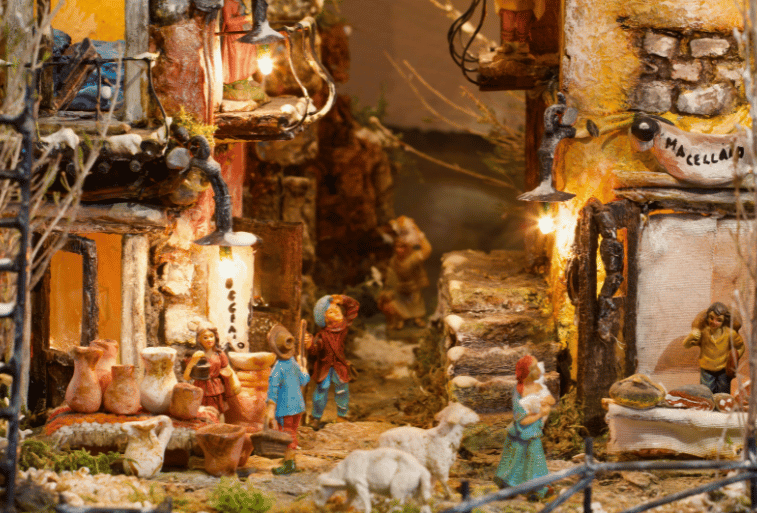
Every winter, parishes, villages and dedicated volunteers set up large Provençal nativity scenes, complete with antique santons and village settings. Most can be seen from late December to late January, sometimes until 2 February, Candlemas.
From the villages around Cavaillon to the heart of the Luberon, beautiful nativity scenes await you. Churches remain places of worship: check dates and opening times before you go.
Around Cavaillon
In the heart of the old village, large antique santons preserved by the parish, some with wax faces from the Carmelite convent in Avignon, set in scenery made by local residents.
An unusual nativity scene, looked after by the village elders, in the striking setting of the village’s former quarries.
A monumental nativity scene created by Marius Lancelin: around a hundred small terracotta santons retrace the Nativity in a setting of Provençal garrigue scrubland.
Monday to Friday, 8.30 am – 12 pm and 1.30 pm – 5.30 pm · weekends, 1.30 pm – 6 pm
Further into the Luberon
A 40 m² nativity scene depicting the Apt area, with replicas of its chapels, its mills and the fountain and wash-house of Castellet.
Spread over 120 m², around a hundred small and large santons, dozens of them more than 160 years old, in a setting that changes every year.
Santons, the oldest dating back to the 18th century, many of them dressed by women of the parish over the years, in a display that changes every year.
Every household sets up a nativity scene that can be seen from the street. New this year: a mini nativity scene competition at the bus shelter, where everyone can vote. In the church, the large nativity scene features tall santons dressed in Hebrew costume.
12 December 2026 to 15 January 2027 · opening evening on Saturday 12 December · church open 10 am – 6 pm, best visited during the day
More than 300 dressed clay santons in a nativity scene of stone and plants covering over 60 m², different every year.
A nativity scene that fills an entire chapel and evokes the town, with santons from 8 to 60 cm tall, in clay or wax.
Every year, nativity-scene enthusiasts list the cribs on display in the churches of the Vaucluse. In 2025, this Chemin des crèches brought together 31 churches, several of them in the Luberon, such as Apt, Cadenet, Cucuron and Pertuis. Most of the nativity scenes can be seen from 25 December to 2 February, Candlemas. Dates and opening times for each church are on the Diocese of Avignon website (in French).
Classic or naïve, handed down or newly chosen, santons tell a little more of Provence’s story every year. Visit the fairs and local craftspeople to find the figure your nativity scene was missing.
More reading for the festive season
Christmas in the Luberon 2026
Photo gallery
Practical information on Provençal santons: history, tradition and santon fairs in the Luberon
Opening times and periods
Aucune information disponible
Price(s)
Informations