
5 lesser-known villages in the Luberon to discover
Discover 5 lesser-known villages in the Luberon: Cabrières-d’Avignon, Les Taillades, Lauris, Mérindol and Maubec, combining heritage, nature and views.
Discover 5 lesser-known villages in the Luberon: Cabrières-d’Avignon, Les Taillades, Lauris, Mérindol and Maubec, combining heritage, nature and views.
Sommaire

When people think of the Luberon, they often picture Gordes, Lourmarin, Roussillon or Ménerbes, the iconic villages that have made the area famous. But beyond these must-sees, the Luberon also hides lesser-known little gems that are just as charming and authentic.
Spring and autumn are especially pleasant times to explore them: the light softens the landscapes, there are fewer visitors and each village reveals its own atmosphere.
In this article, we take you to discover 5 lesser-known villages in the Luberon: Cabrières-d’Avignon, Les Taillades, Lauris, Mérindol and Maubec. Five villages, each with its own character, offering dry-stone heritage, gardens, Waldensian history, panoramic views and nature walks.
Dry-stone heritage, history, gardens, panoramic views or nature walks: compare these 5 Luberon villages at a glance.
Atmosphere: nature and dry stone
Must-see: the Cedar Forest and the Plague Wall
Ideal for: combining a village visit with a walk in the great outdoors.
Atmosphere: rocky and peaceful
Must-see: the Quarry Theatre (Théâtre des Carrières) and the Saint-Pierre mill
Ideal for: discovering a heritage shaped by stone.
Atmosphere: panoramic and artistic
Must-see: the château terraces and the dye plant garden
Ideal for: enjoying views over the Durance valley.
Atmosphere: history and nature
Must-see: the remains of the Castrum and the Waldensian heritage
Ideal for: combining history, hiking and panoramic views.
Atmosphere: intimate and Provençal
Must-see: the old village, the belfry and the narrow lanes
Ideal for: strolling and heading out on walks around the village.


Cabrières-d'Avignon stands out for a heritage closely tied to dry-stone building and for the wide open natural spaces right on its doorstep. Between the village, the Plague Wall and the Cedar Forest, a visit combines rural heritage, history and walks in the heart of the Monts de Vaucluse.
In the village, the Saint-Vincent church, fountains, wash houses and stone houses form a simple, typically Provençal ensemble. The château of Cabrières-d'Avignon, a private property that can be seen from the outside, is another reminder of the village's long history.
Nearby, the remains of the Plague Wall are one of the area's most distinctive landmarks. You can discover them along hiking trails that naturally extend your visit to the village.
Another special feature of Cabrières-d'Avignon is the Cedar Forest, a vast woodland crisscrossed by waymarked trails. Accessible to everyone, it is just as suited to family walks as to longer hikes, and offers a very different atmosphere from the village centre: cooler and shadier. An ideal setting to round off your heritage discovery with a walk in the great outdoors.
Les Taillades stands out for a heritage deeply shaped by stone and its old quarries. Here, the terrain, the walls and the traces of extraction still tell the story of the quarrymen and stonemasons who shaped the village over the centuries. This mineral identity gives Les Taillades a truly distinctive character at the foot of the Petit Luberon.
As you stroll through the old village, you'll come across the Saint-Gens church and, above all, the Quarry Theatre (Théâtre des Carrières), set in a former extraction site. Its rocky backdrop is spectacular, and today it offers an unusual setting for cultural events.


Another emblem of Les Taillades is the Saint-Pierre mill, built in 1859. First a madder mill and then a flour mill, it recalls the village's industrial past. Fed by the Carpentras canal, which runs through the village, it still has an impressive 24-blade paddle wheel.
To extend your visit, the surrounding area is perfect for hiking and cycling. In spring as in autumn, you quickly leave the old village behind for limestone hills, paths lined with Mediterranean vegetation and open views over the Petit Luberon.
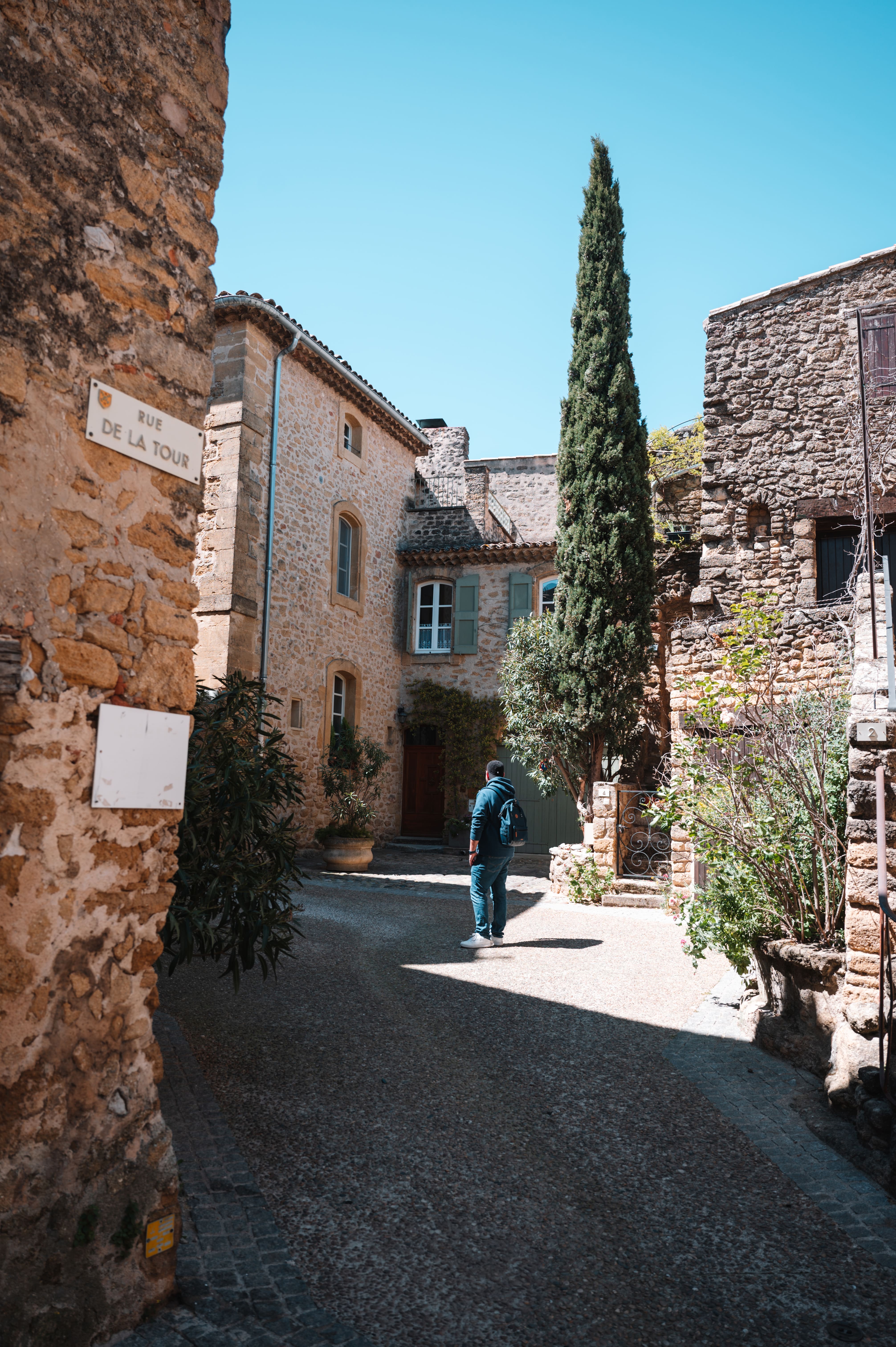
© Découvrons Ensemble

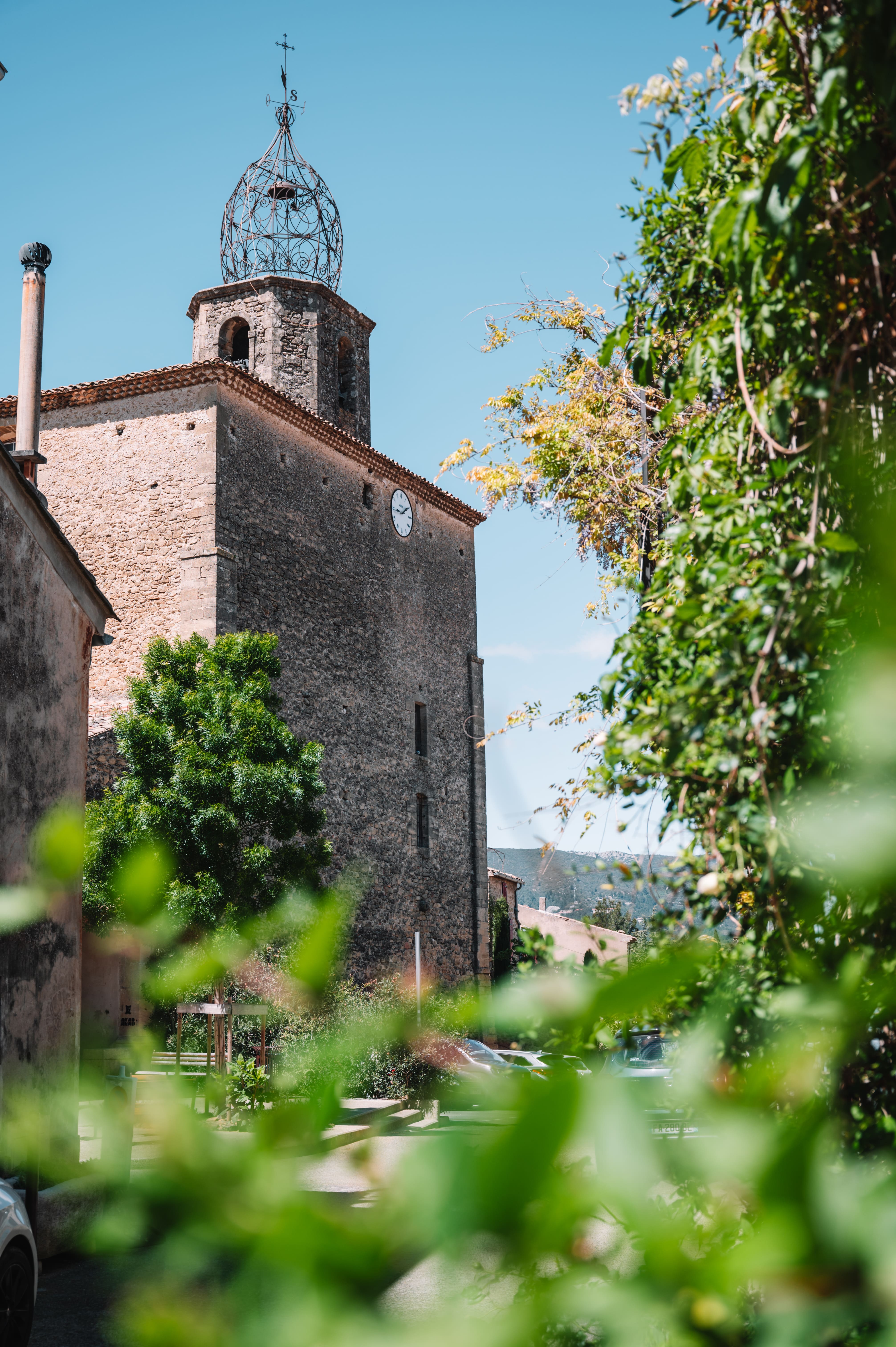
© Découvrons Ensemble
Perched on its rocky spur, Lauris overlooks the Durance valley and offers some of the finest vistas in this part of the Luberon. Here, the village is as much about its heritage as its views, with the château, its terraces and an old centre facing out over the landscape.
The terraces of the château de Lauris are one of the highlights of the visit. They open onto sweeping views over the Durance valley and the surrounding hills. In spring as in autumn, the light shows off the gardens, the façades and the landscapes stretching out below the village.
Close by, the dye plant garden is what makes Lauris truly unique. Here you can discover plants that have been used for centuries to dye textiles, as well as in cosmetics, fine arts and food. Its themed trail invites you to explore a wide variety of dye-producing species from different parts of the world.
The visit continues naturally through the lanes of the old centre, past fountains, wash houses and Provençal houses. The charm of Lauris lies precisely in this blend of village, gardens and panoramic views, which makes you want to take your time and enjoy the place.
Mérindol, on the southern foothills of the Petit Luberon, is one of the villages in the area most closely linked to Waldensian history. In the 16th century, people from the Alpine valleys settled here and helped rebuild the village. This history has deeply shaped Mérindol's identity.
Today, the remains of the Castrum and the Waldensian Memorial help visitors understand this past. As you climb higher, the view opens out over the Durance valley, offering one of the most striking viewpoints of the visit.


Mérindol is also an excellent starting point for exploring the Luberon Regional Nature Park. The trails wind through garrigue, pine forests and open landscapes, with plenty of walks and hikes around the village.
Between history, panoramic views and nature, Mérindol reveals a more intimate side of the Luberon. In spring as in autumn, the light and colours of the landscape bring out the best of the Petit Luberon hills and the Durance valley.


Maubec stands out for its old village perched on the Montagnette, a hill running parallel to the Luberon. Wandering through its cobbled lanes, you'll discover old houses, 18th-century façades and understated heritage that give the village an intimate atmosphere.
From its heights, Maubec offers lovely views of the surrounding landscapes: the Luberon massif to the south, Mont Ventoux and the Monts de Vaucluse to the north. This setting makes it a particularly pleasant village to explore, enjoying the views while staying right next to nature.
Maubec is also a good starting point for hiking and cycling. The routes around the village pass through vineyards, hills and woodland, with atmospheres that change with the seasons.
In spring as in autumn, Maubec reveals a quieter side of the Luberon, between old village, panoramic views and nature walks. It's this combination that makes this lesser-known stop so appealing.
These lesser-known villages reveal another side of the Luberon, quieter and more intimate.
For the full experience, don't miss the Luberon's must-sees too, including the villages listed among the Most Beautiful Villages of France. Together, they showcase all the richness and diversity of an area that never ceases to surprise and move.
Read moreArticle updated on 9 November 2026 • Destination Luberon
Léa Moreira - Community Manager and Web Writer for destinationluberon.com
Passionate about the Luberon and all it has to offer, Léa creates and shares lively, authentic content every day to showcase the area, its events, its people and its local gems on the web and social media.
Photo gallery


Practical information on 5 lesser-known villages in the Luberon to discover
Opening times and periods
Aucune information disponible
Price(s)
Informations


